The Monster Without a Passport
Why El Cucuy is Climbing the Charts (Again)
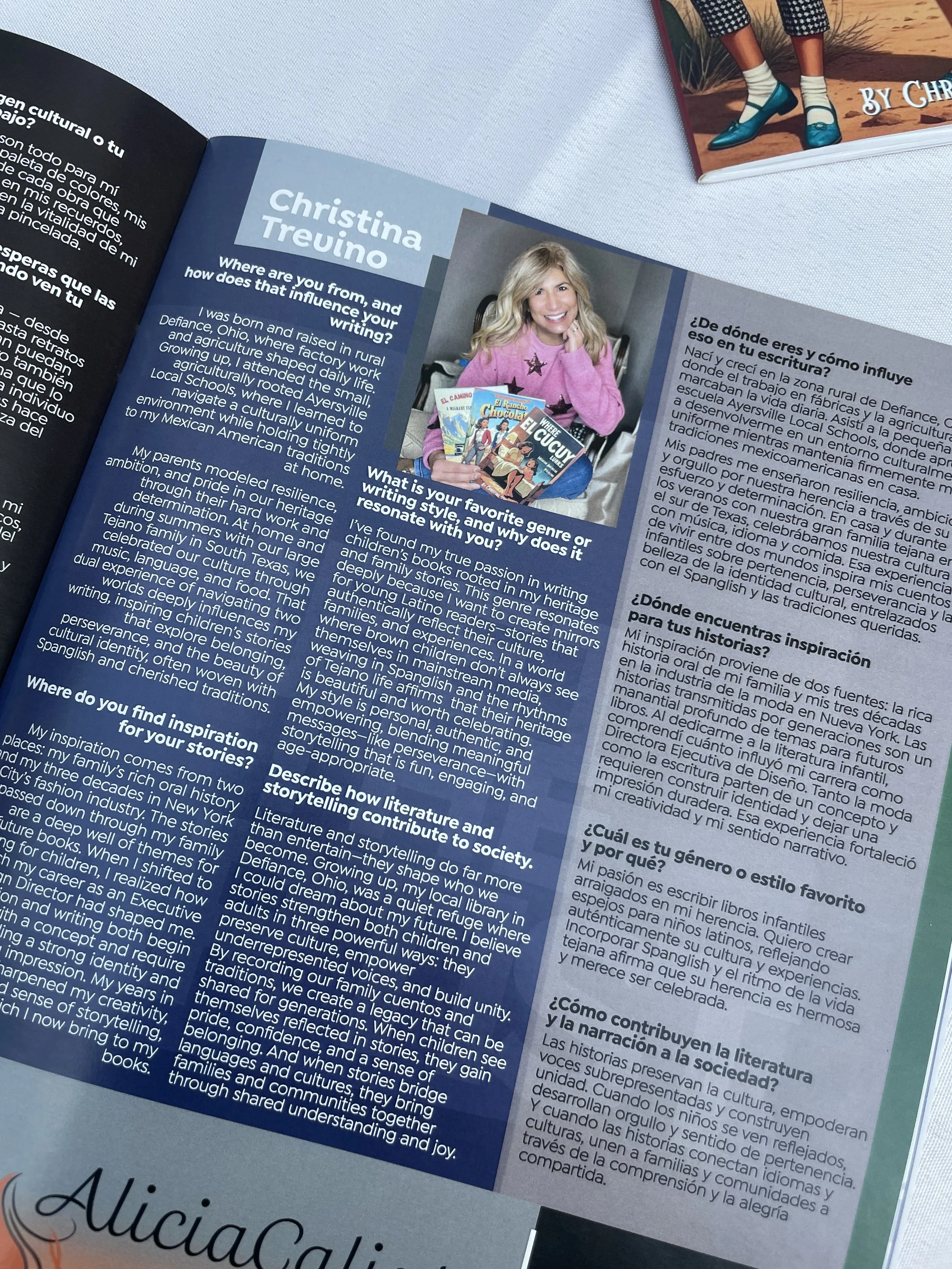
Yesterday was such a proud moment for me. I was at the Latin Colors 33rd Edition magazine launch because I was lucky enough to be featured in their "Meet the Artist" section. Inside those pages, I talk about my 30+ year career in fashion, my journey as an author, and how my Mexican-American heritage grounds everything I create.
"It’s funny how quickly you can go from being the 'Featured Artist' to being 'schooled' on your own folklore. No sooner had I finished talking about my heritage than a young guest challenged it. A young gentleman approached me to 'correct' my history, insisting with total confidence that El Cucuy isn't Mexican—he’s Puerto Rican."
As a Latina who doesn’t always have the "fluya" Spanish to fire back a witty rebuttal in the moment, I stood my ground the best way I knew how: with the truth of my own upbringing and stories told to me by my Mexican American tías and abuelas. But as the "argument" went on, I realized something beautiful about our Latino culture - we are all right.
A Legend Without a Passport
The truth is, El Cucuy doesn’t need a passport. He doesn't live in one specific country or claim one single citizenship. I’ve had friends tell me about the versions they grew up with in Puerto Rico and the Dominican Republic. Whether he is El Cuco, El Coco, or El Cucuy, he lives in the collective mind of every Latino child who was ever told a story to keep them in line.
He is a universal "Jefe" of our childhoods. He belongs to all of us. We, as Latinos, are so protective of our traditions that we fight over who "owns" the monster, but the reality is that the monster owns a piece of all of us.
A Best-Selling "Controversy"
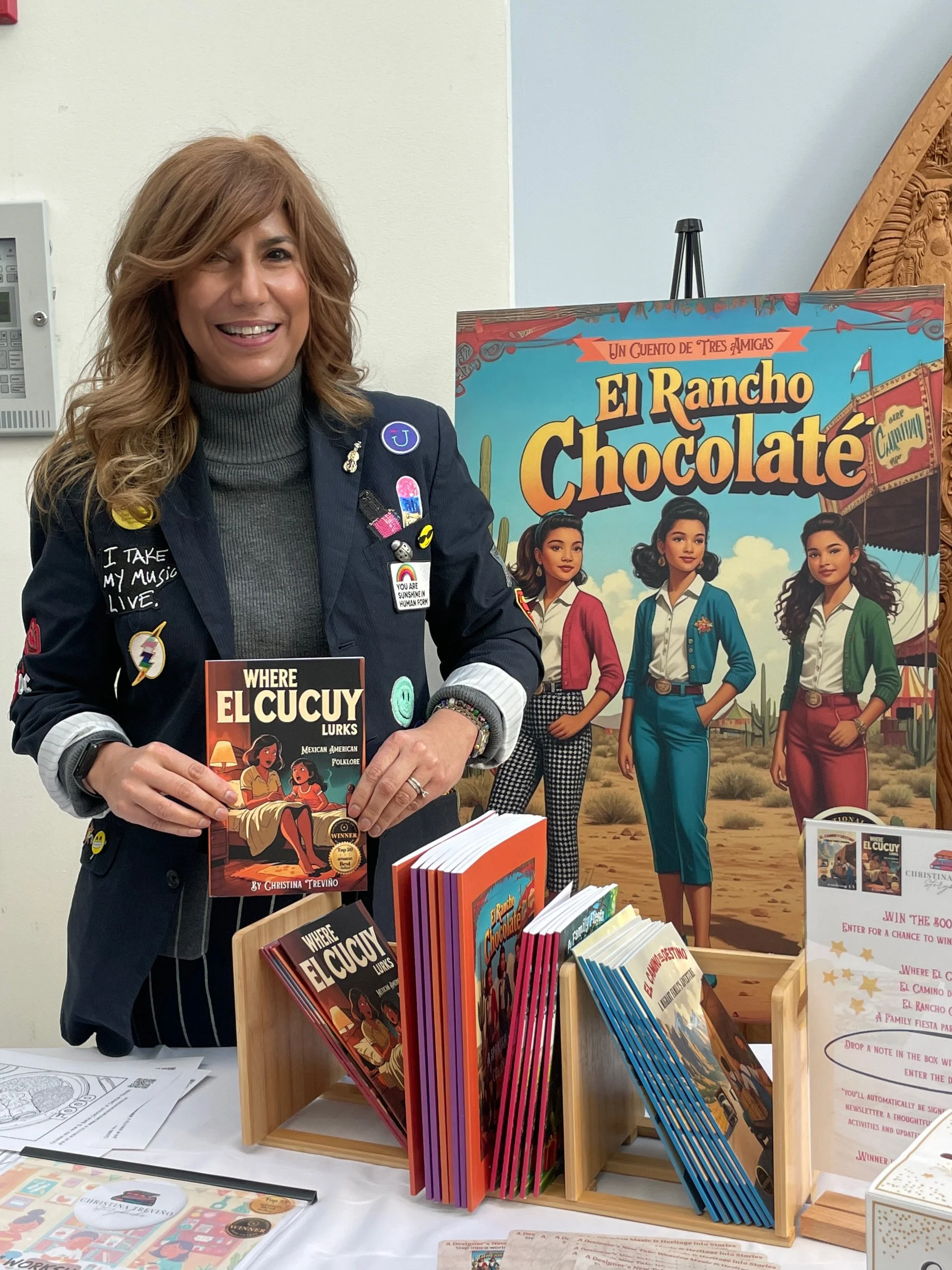
It seems all that passion and "protective" energy paid off! I am thrilled to share that with all the renewed interest and conversation, my book has popped back up to #33 on Amazon’s Best Seller list for Children’s Latin American Folk Tale Books. It turns out people aren't just arguing about El Cucuy—they’re reading about him, sharing him with their children, and keeping the folklore alive for the next generation.
It’s clear that our stories—and even our monsters—have a power that transcends borders and language barriers. In fact, the very debate I had yesterday proves that our culture is a living, breathing thing that doesn't require a specific accent to be valid. These disagreements aren't a sign of what we lack; they are a sign of our cultural wealth..."
😊 Note to the "Young Gentleman: In my house, El Cucuy speaks with a Texas-Mexican accent, and he definitely doesn't need a passport to cross borders.
Questions for You
Have you ever felt like a 'cultural imposter' because you didn't have the perfect words in Spanish (or your native tongue) to defend your heritage? How did you find your voice anyway?
What is the one tradition or childhood story from your specific home country that you will defend to the death? Is it a recipe? A legend? A specific way of celebrating?
We all grew up with a 'monster' to keep us in line. Now that we’re adults, what are the 'ghosts' or 'monsters'—imposter syndrome, fear of change—that you’re currently learning to manage?
I love seeing the younger generation so fired up about their roots. How are you passing down your family’s specific 'flavor' of culture to the young people in your life?
When someone challenges your 'why,' do you lead with an argument or with your results? Sometimes, the best way to handle a 'border dispute' is to simply let your success do the talking.