The Cotton Picker from Robstown
A Masterclass in "Taking the Leap"
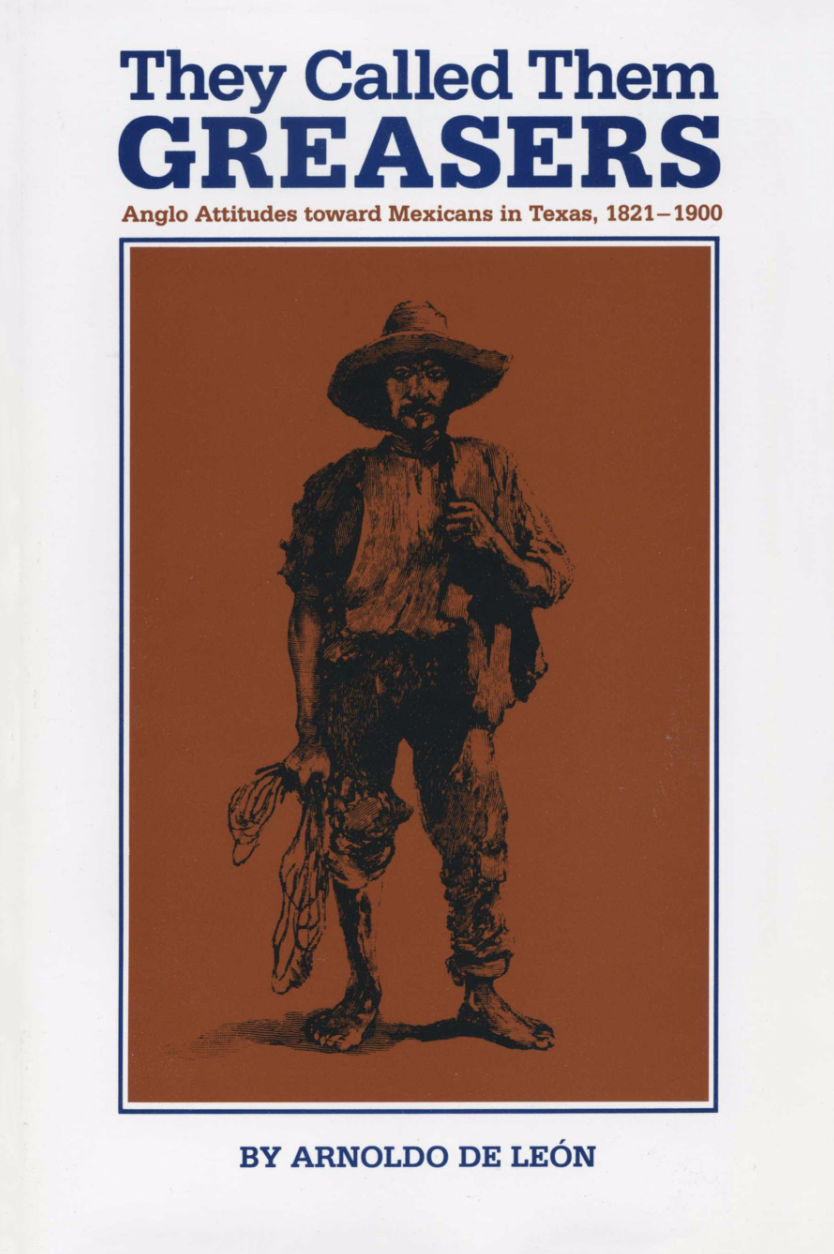
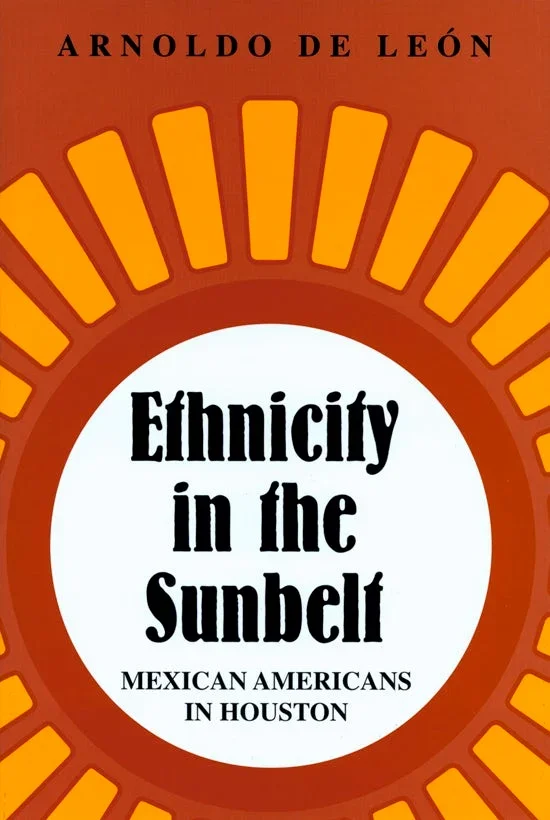
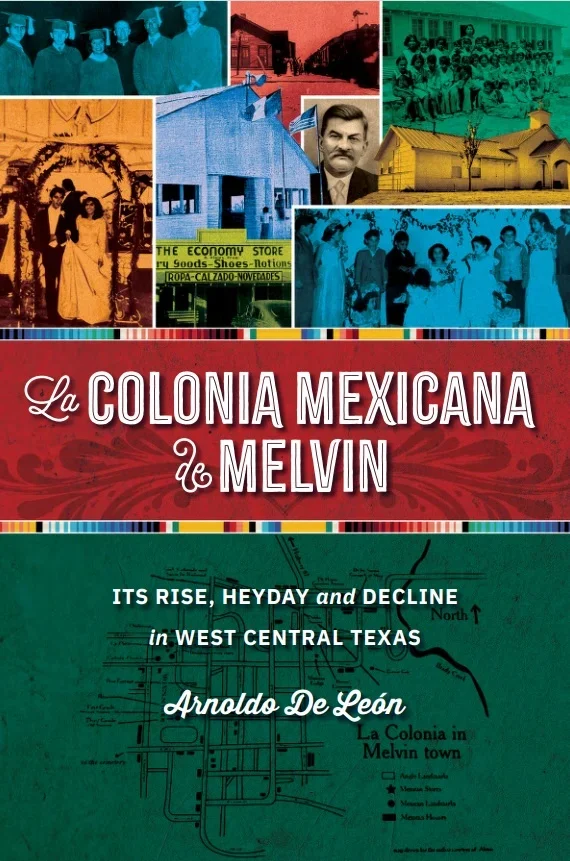
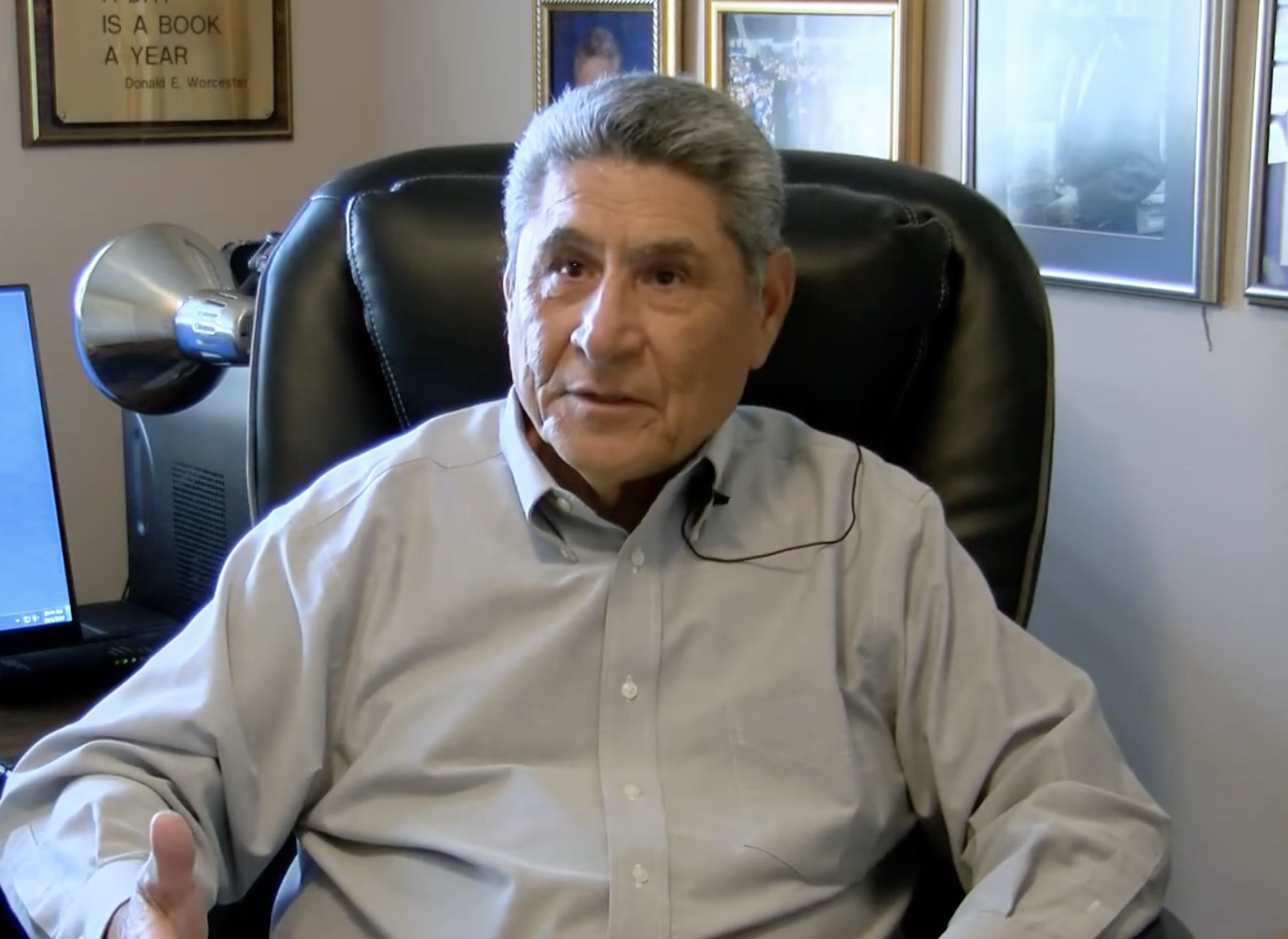
Sometimes, you have to be your own creative consultant. You have to look at a project and say, "I need a heavy hitter." Last week, that’s exactly what I did. Deep in the middle of a 72-hour research binge into my South Texas roots, I found myself reading the work of Dr. Arnoldo De León. For those outside the world of Texas history, let me put it plainly: he is the titan. He is Professor Emeritus at Angelo State University, a Fellow of the Texas State Historical Association, and has an entire university history building named in his honor.
With a "nothing to lose" mentality and a bit of nerve, I sent a cold email to the ASU History Department. I expected a formal "thank you for your interest" from a staffer. Instead, I got a direct, generous response from the man himself.
What followed wasn't just a history lesson—it was a lesson in destiny.
A World Made Small
The world became incredibly small, incredibly fast. As we corresponded, the "intertwined" nature of our families became undeniable. The key to it all was Epigmenio González.
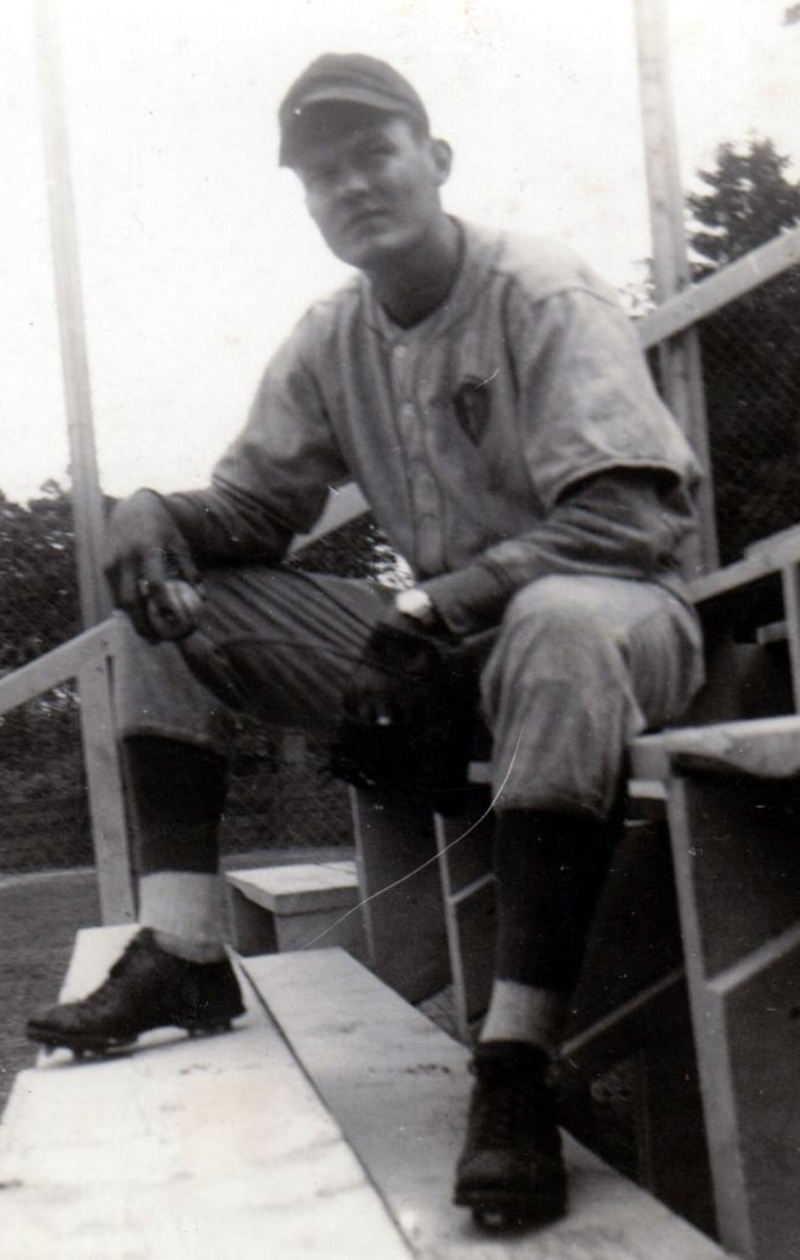
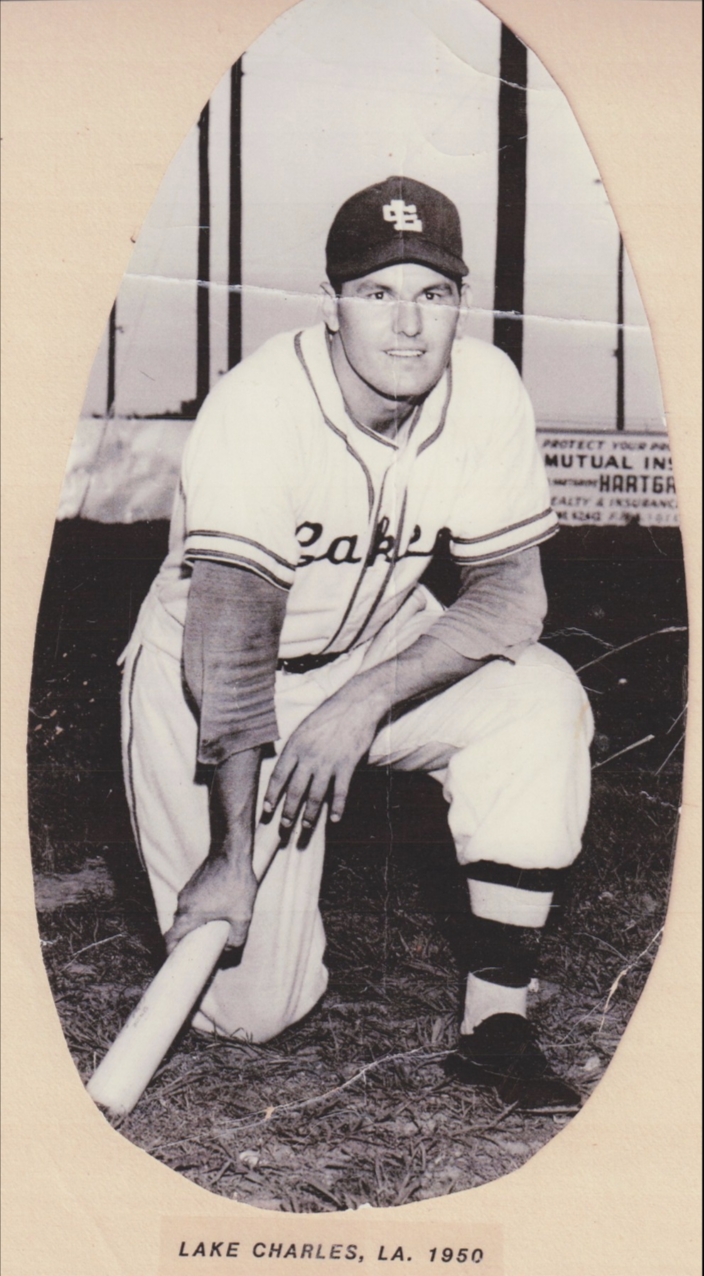
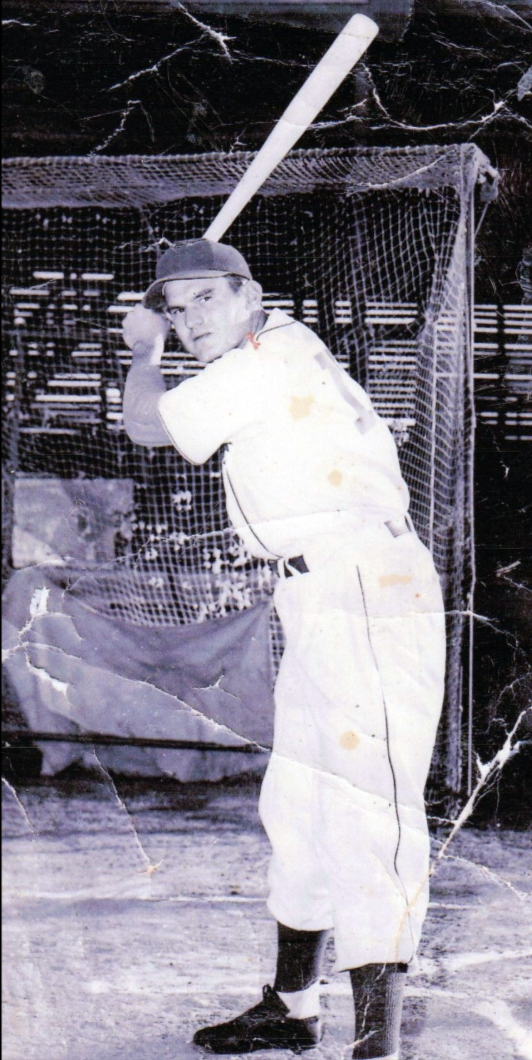
Sometime in the mid-1920s, Epigmenio married Dr. De León’s grandmother, Eliza “Güelita Lisha” Rodríguez, in Benavides. Because Lisha was the sister of the legendary Wallopin’ Wally Rodríguez (the famous pelotero from the chaparral), this marriage stitched the González and Rodríguez lines together—the very same lines I’ve been tracing in my own tree.
The "Classmate" Moment
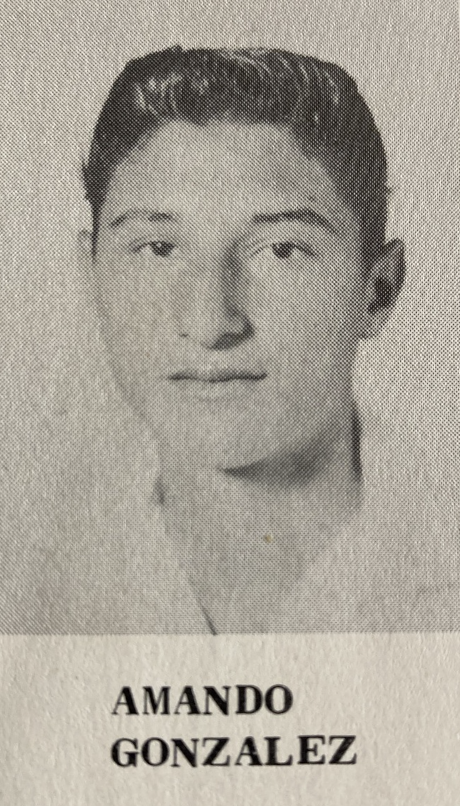
Dr. De León then mentioned his Tío Mando González (Epigmenio’s son), who lived in Benavides until joining the Marines in ’63. I mentioned my mother being born in 1944 and living in Benavides and we realized we had something much more in common. Within minutes of asking my mom about this connection , she had already pulled out her 1959 yearbook, and there he was—Tío Mando—staring back at us as one of her classmates - the school quarterback even! To have a pioneer of Mexican-American studies realize he’s talking to the daughter of his uncle's classmate? That’s not just research; that’s karma.
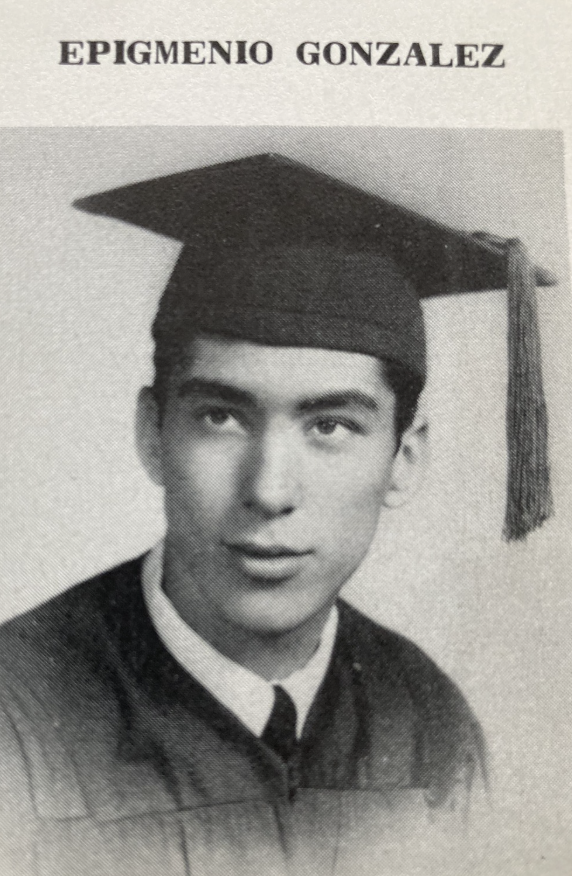
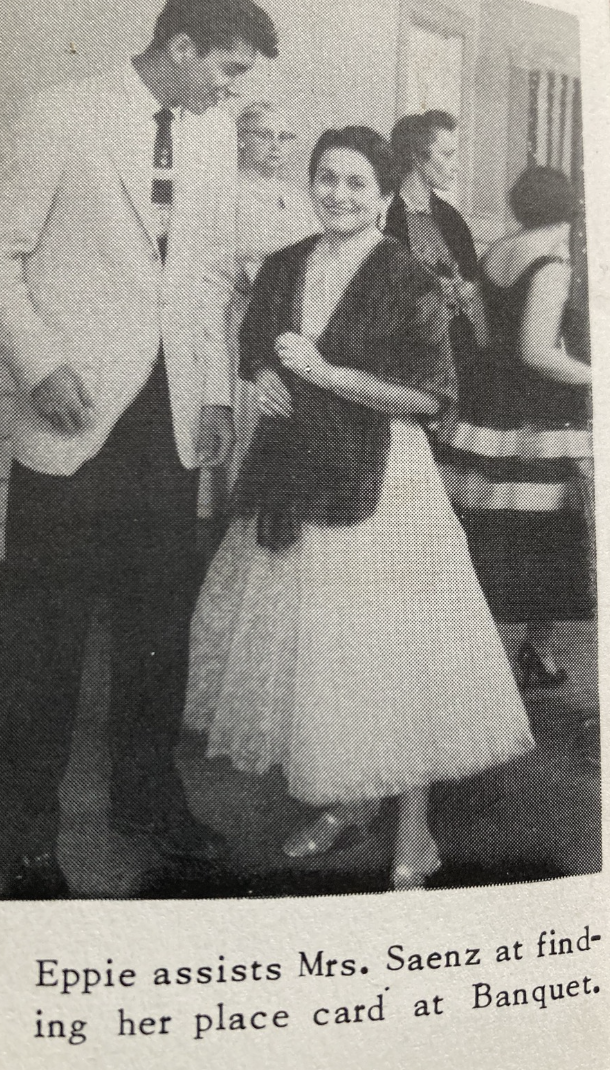
But the mystery deepened: we also found an Epigmenio González in that same yearbook! While Dr. De León focused on the patriarch and his surviving 87-year-old uncle "Eppy," finding the younger Epigmenio alongside my mother proves just how deeply our families were embedded in the same classrooms and the same history.
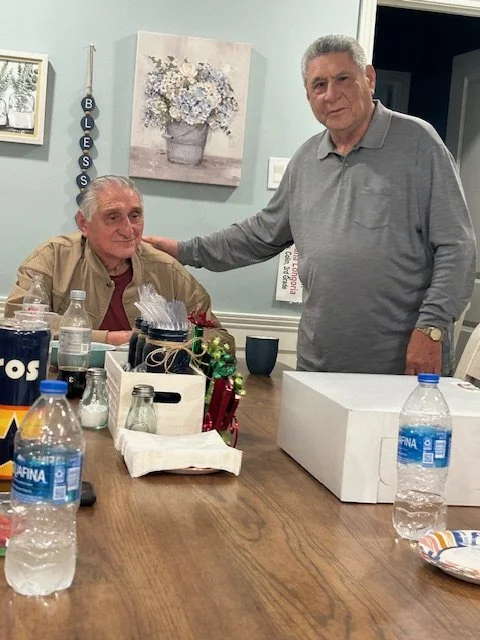
A moment of gratitude: Dr. De León (standing) with his Tío Mando.
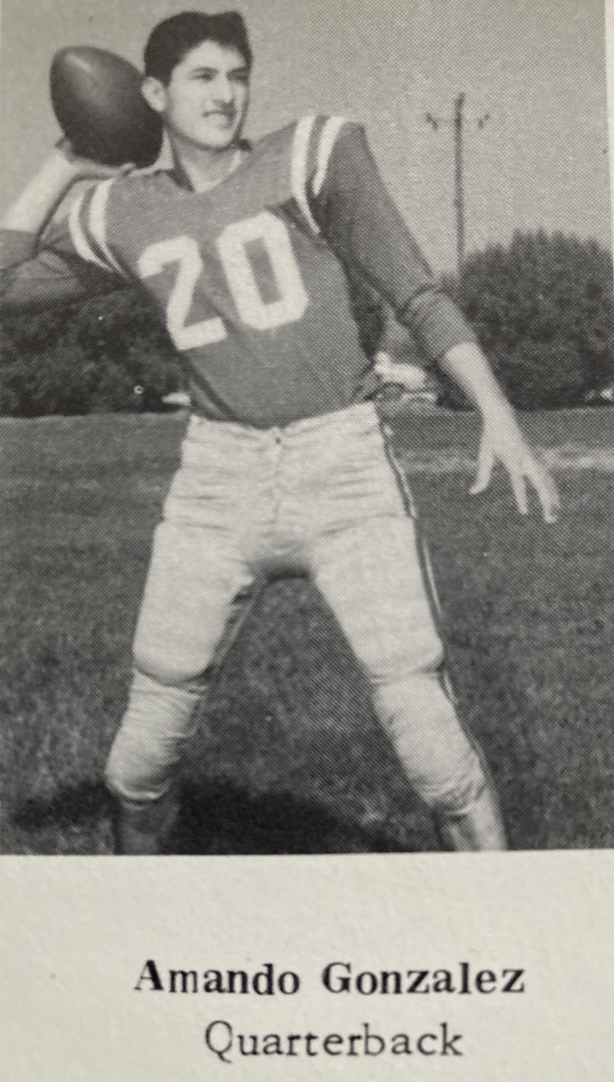
Finding Mando in my mother’s yearbook and as the school’s quarterback was the moment I realized this wasn't just research—it was a homecoming.
Real-Life Heroes: The Role Models of the Chaparral
What fascinates me most is that for a man who has written the definitive history of an entire people, his own heroes weren't found in textbooks—they were the men in his family. He spoke with such reverence about the role models who shaped him:
Tío Wally Rodríguez: The "Wallopin' Wally" of the chaparral. Dr. De León remembers him and the entire Rodríguez clan as "muy caballero" and "muy amable"—true gentlemen who modeled character for the younger generation.
Tío Neto González: His favorite uncle, a Korean War veteran who lost an eye in battle. Neto didn't let his injury stop him; he returned home, graduated from college (now Texas A&M Kingsville), and showed the family what was possible through education and resilience.
The Grit Behind the Glory
Despite the accolades, Dr. De León describes himself as "that cotton picker from Robstown." Born in 1945, he spent his summers working the fields at Chapman Ranch. He paid for his first college classes at Del Mar—$15.00 a pop—with money earned from picking cotton in the summer of ’62. He eventually earned his Ph.D. from TCU and spent 42 years as a scholar, but he remains grounded. He even mentioned his surviving uncle, Epigmenio “Eppy” González, who is 87 and still living in Corpus Christi—a living link to that generation of grit.
A Mandate to Write
As an author, the most powerful moment was his review of my children’s books. He wrote:
"I was amazed and gratified to see the relevance of your several children’s publications to Mexican American life. Kudos, and keep them coming! These days our young folks are so acculturated that the kind of life that you restore seems that of bygone days. So yes, maintain your writing schedule."
When the man who wrote the Foreword for Duval County Tejanos tells you that your writing restores a way of life, you get back to work.
The Takeaway: Don't Be a "Lambiscón"
Dr. De León shared a piece of advice his mother always gave him: "No te la vayas andar recargando" (Don't go around bragging). He has no time for the lambiscón—the fawning sycophant. He is a man of deep, quiet pride.
My challenge to you? Take the leap. Reach out to the legends. Whether it's "manifesting" or just perfect timing, the universe opens doors when you start hunting for your truth. I’m officially "on the assignment."
Dive Deeper: The De León Reading List
To understand why Dr. De León’s encouragement means so much to my mission as an author, you have to look at the massive footprint he has left on Texas history. If you want to ground your own research in the true Tejano experience, I highly recommend starting with these definitive works:
Duval County Tejanos by Alfredo Cárdenas: This is the gold standard for our region. Dr. De León wrote the Foreword for this impressive work, and it serves as the definitive starting point for anyone tracing their roots in Duval County.
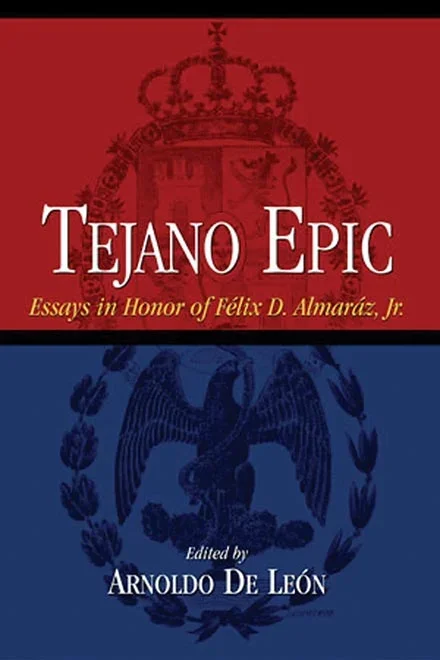
Tejano Epic: Essays in Honor of Félix D. Almaráz, Jr.: This collection houses one of Dr. De León’s most vital essays, “Raza of Middling Status on the Chaparral, 1880-1900,” which provides a rare look at the social structures of our ancestors.
Latinos and Latinas in American Sport: This anthology features the incredible, real-life story of my own kin, “A Pelotero from the Chaparral: The Baseball Career of Wallopin’ Wally Rodriguez.”
The Legacy of a Pioneer
Beyond our personal correspondence, Dr. De León has spent decades documenting the grit and glory of our people. You can explore more of his journey and his latest contributions here:
Dr. De León’s Latest Publication: A look at his most recent scholarship and his ongoing dedication to the field.
TSHA Profile: The Legacy of a Pioneer: A deep dive into his professional accolades and his status as a Fellow of the Texas State Historical Association.
Hispanic Heritage: How Arnoldo De León Became a Hero: An inspiring profile on how a "cotton picker from Robstown" became a legendary scholar and a "Texas State Hero."