From the Runway to the Classroom
My Time at Manhattanville University
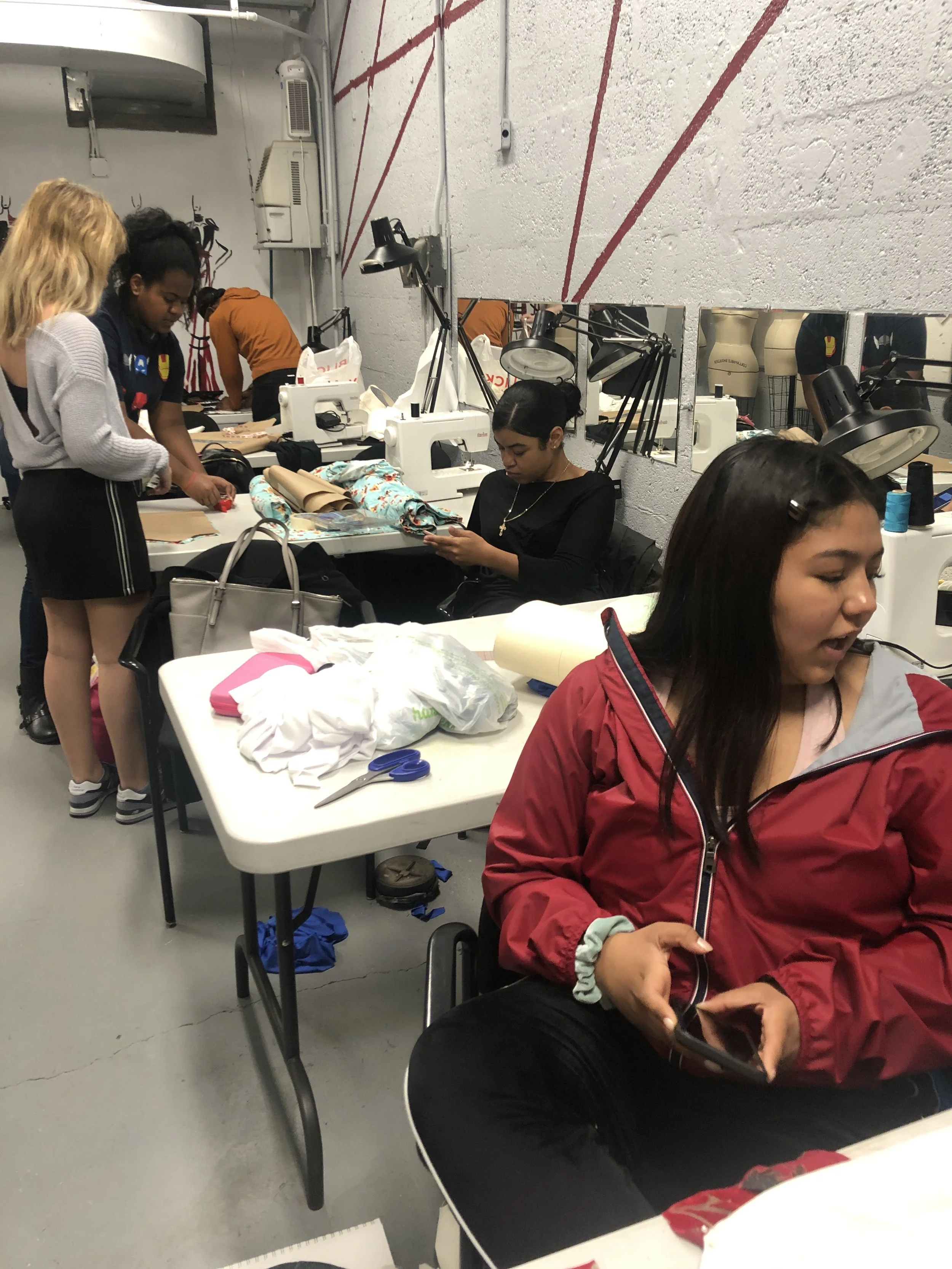
In the Spring of 2019, I stepped away from the fast-paced world of fashion production and design to step into a different kind of "atelier": a classroom at Manhattanville University.
Teaching Art, Fashion, and Design (ART.3110.01) was a full-circle moment for me. After years of navigating the industry—from FIT to launching brands for public figures—I found myself in the classroom which happened to be the Costume Design room of a college campus, helping the next generation of creatives find their voice.
Even for me, this was a journey of deconstruction. To create a syllabus, I had to go back and understand the basics of how I first learned fashion design. I realized I had taken so much of my own learning for granted. I had to pull apart thirty years of industry "muscle memory" to build it up again from its foundation for my students to learn.
Bridging the Gap Between Art and Business
My goal for the course wasn't just to talk about aesthetics; it was to also teach students how fashion design intersects with history, mathematical skills and commerce. Throughout the semester, students developed a comprehensive Fashion Resource Book that became a foundational tool for their creative journeys. We dove into the following areas of study:
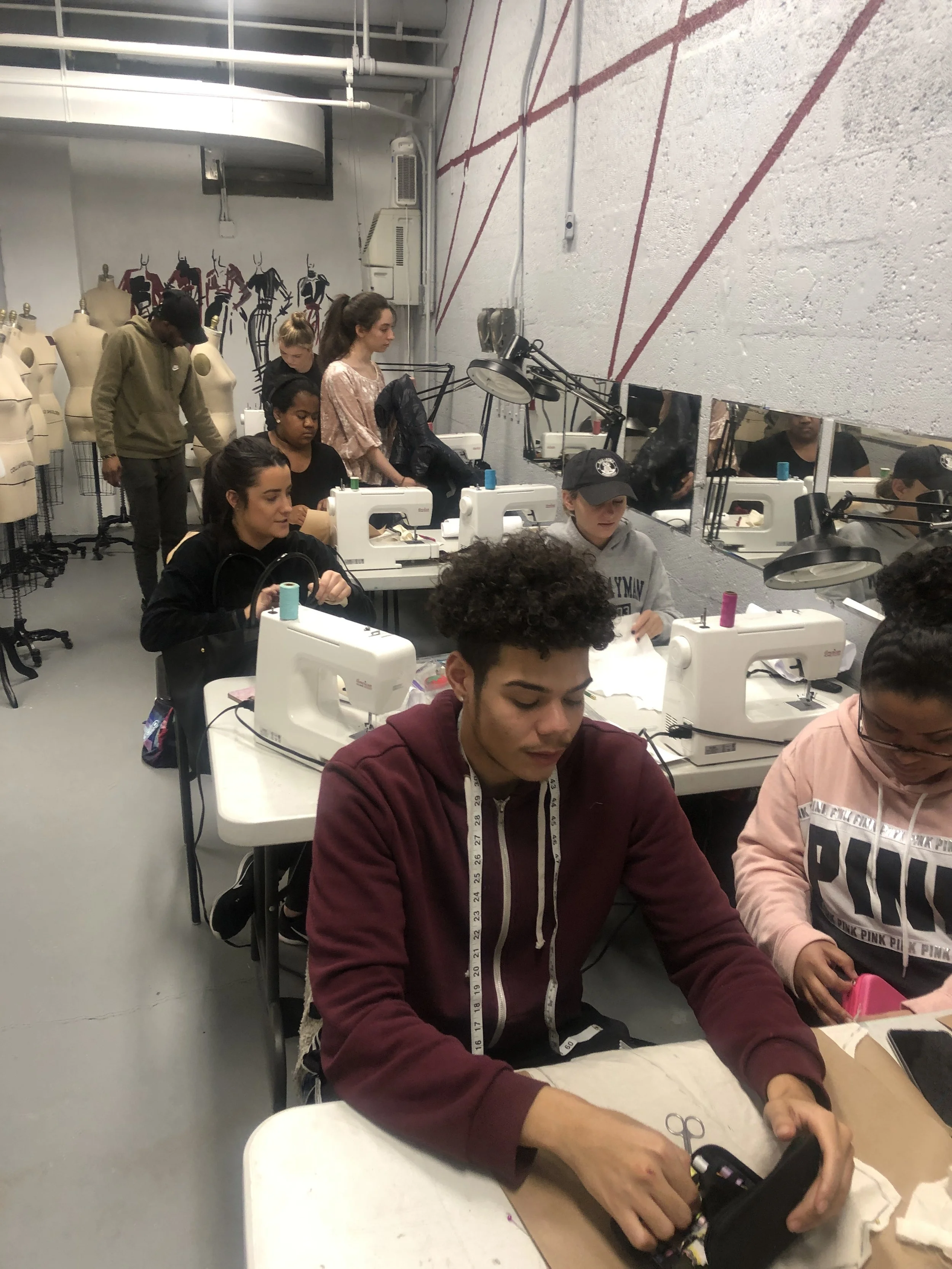
The Fundamentals: Mastering sewing by hand and on the machine, learning fabric terms, and understanding the vital "language of clothes."
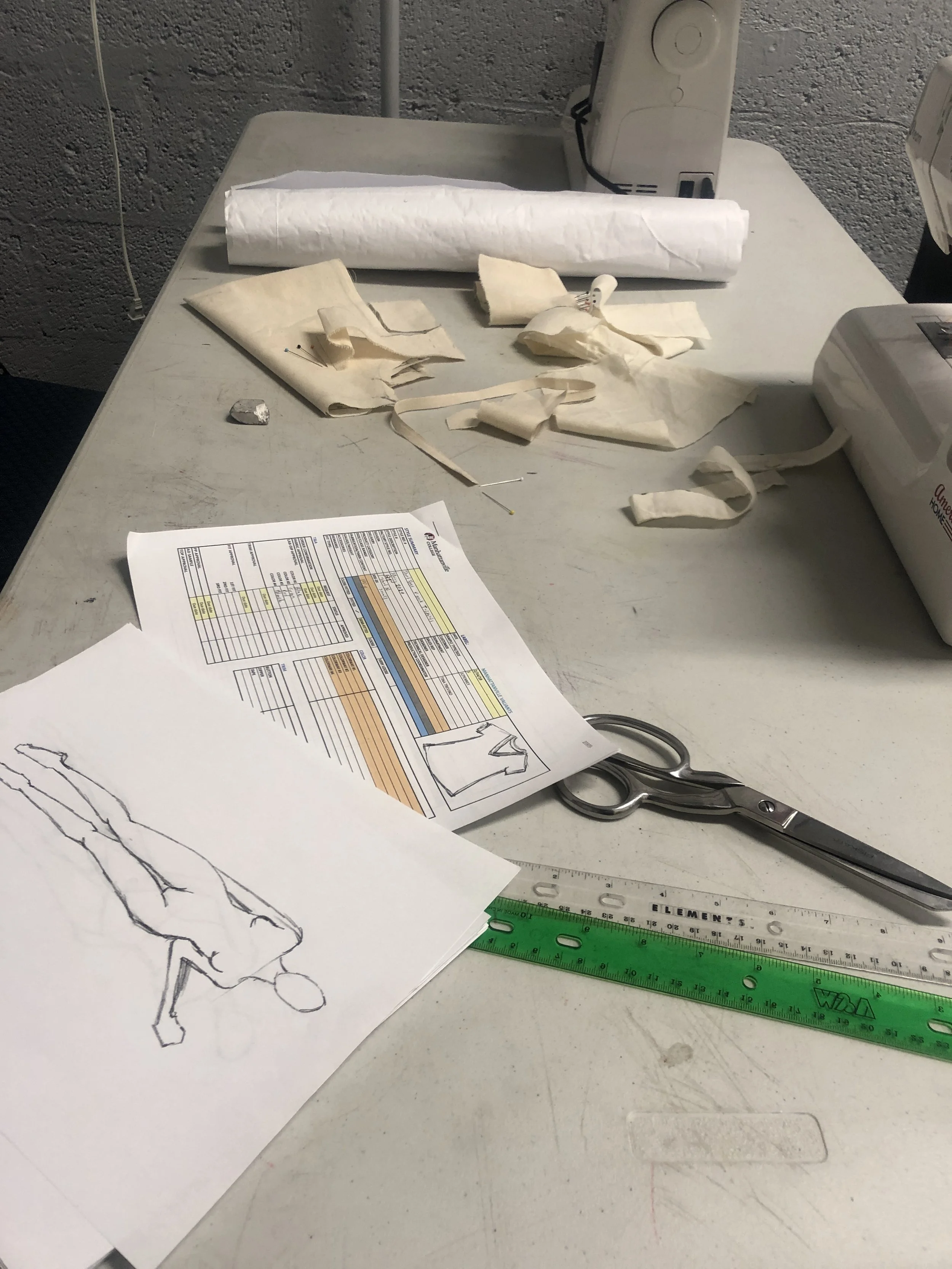
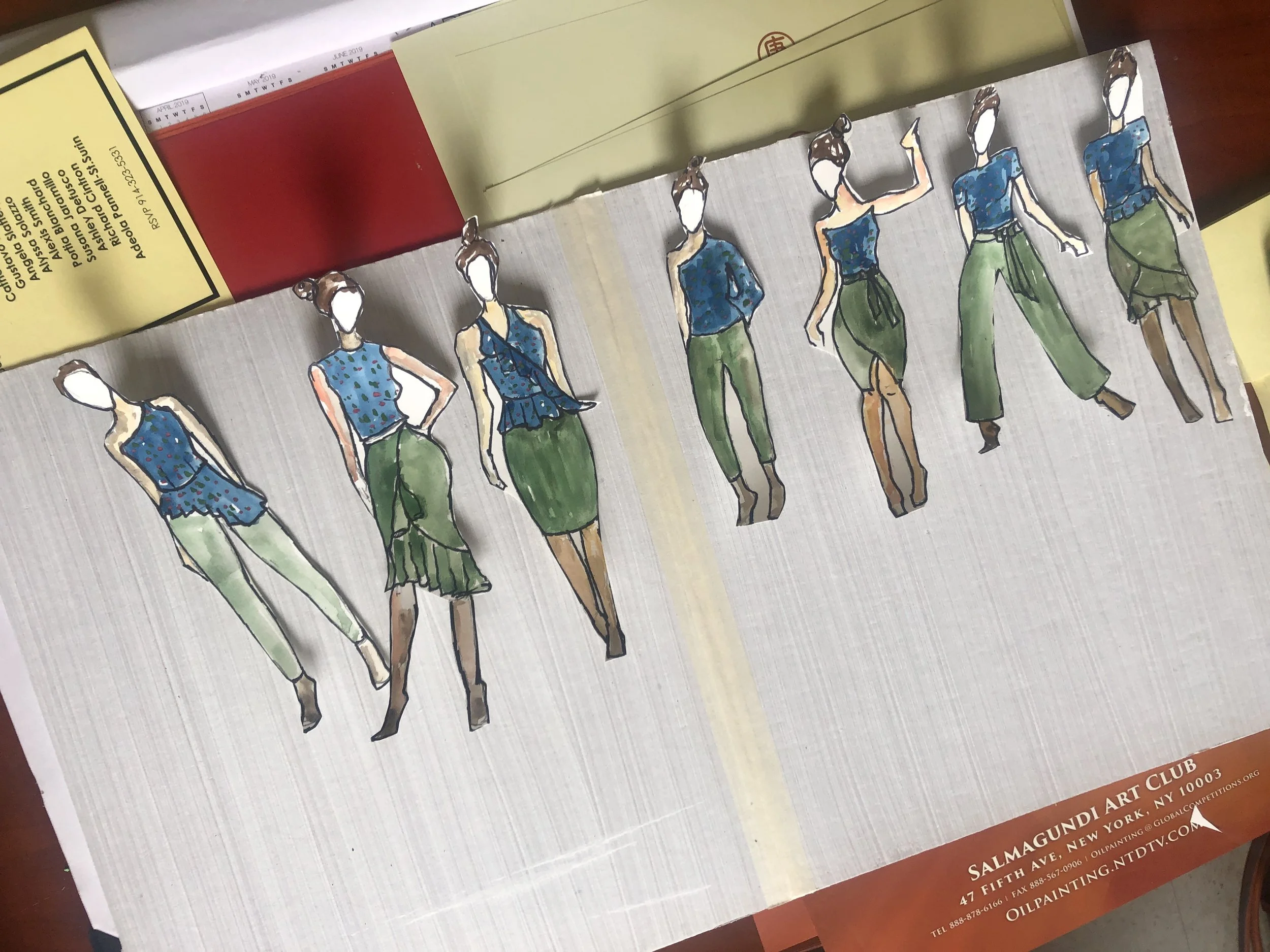
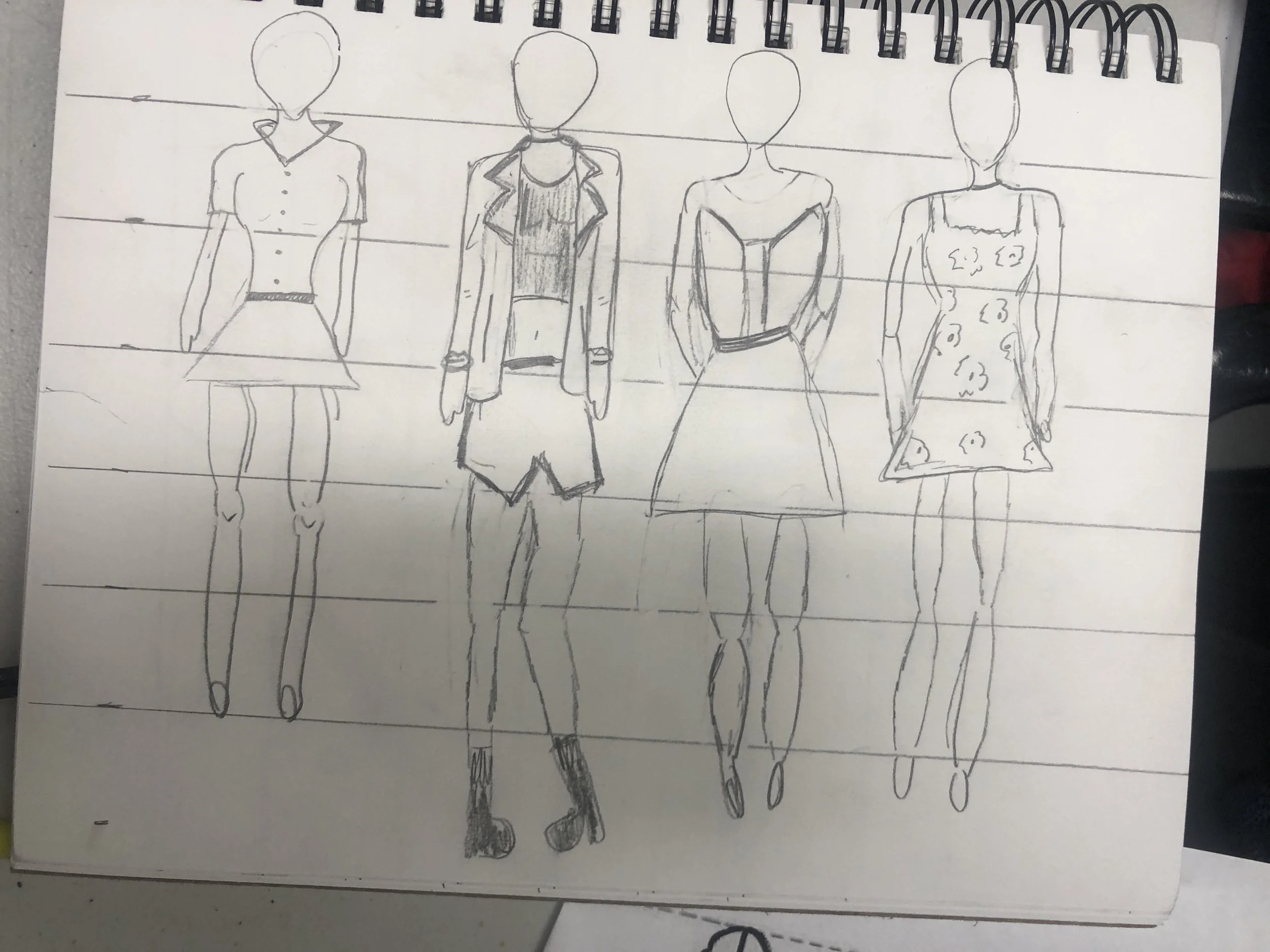
The Creative Process: Learning to render unique skills through fashion sketching and developing a professional nine-headed croqui.
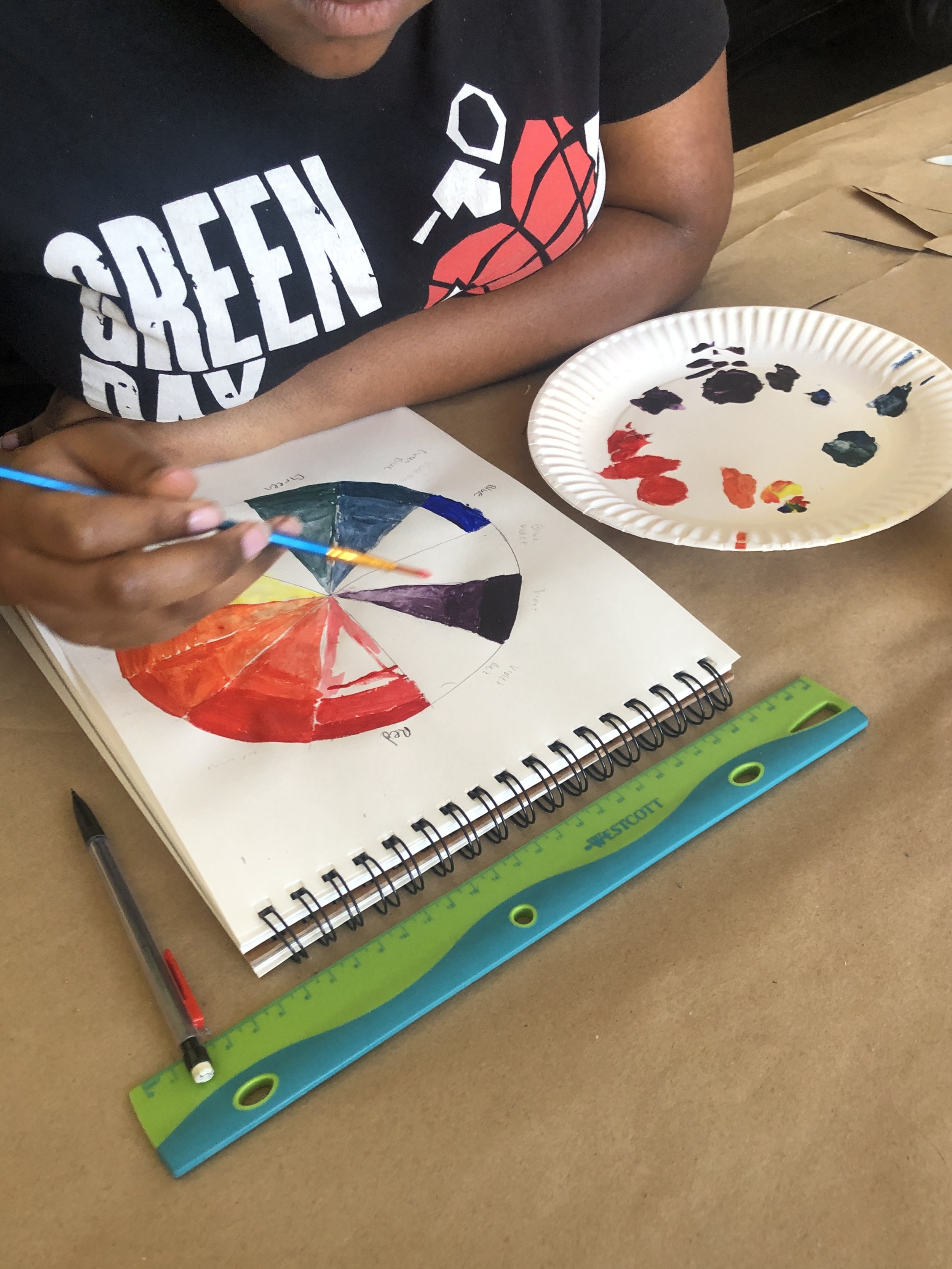
The Power of Color: Exploring color theory—from primary and complementary hues to industry-standard tools like Pantone.
Industry Realities: Beyond the sketches, we focused on the technical side, teaching students how to create a technical specifications package (tech pak) for production.
Business Models: We explored the different paths a designer can take today—from the traditional structure of a global fashion brand to challenges of bootstrapping a startup. We deconstructed business models like Direct-to-Consumer (DTC) and Print-on-Demand, showing them that in today's world, there are multiple ways to bring a vision to market.
Inclusive Design We discussed markets that have historically been underserved or overlooked, like Adaptive Apparel for people with disabilities and the essential, often neglected, world of Plus Size and Extended Sizing.
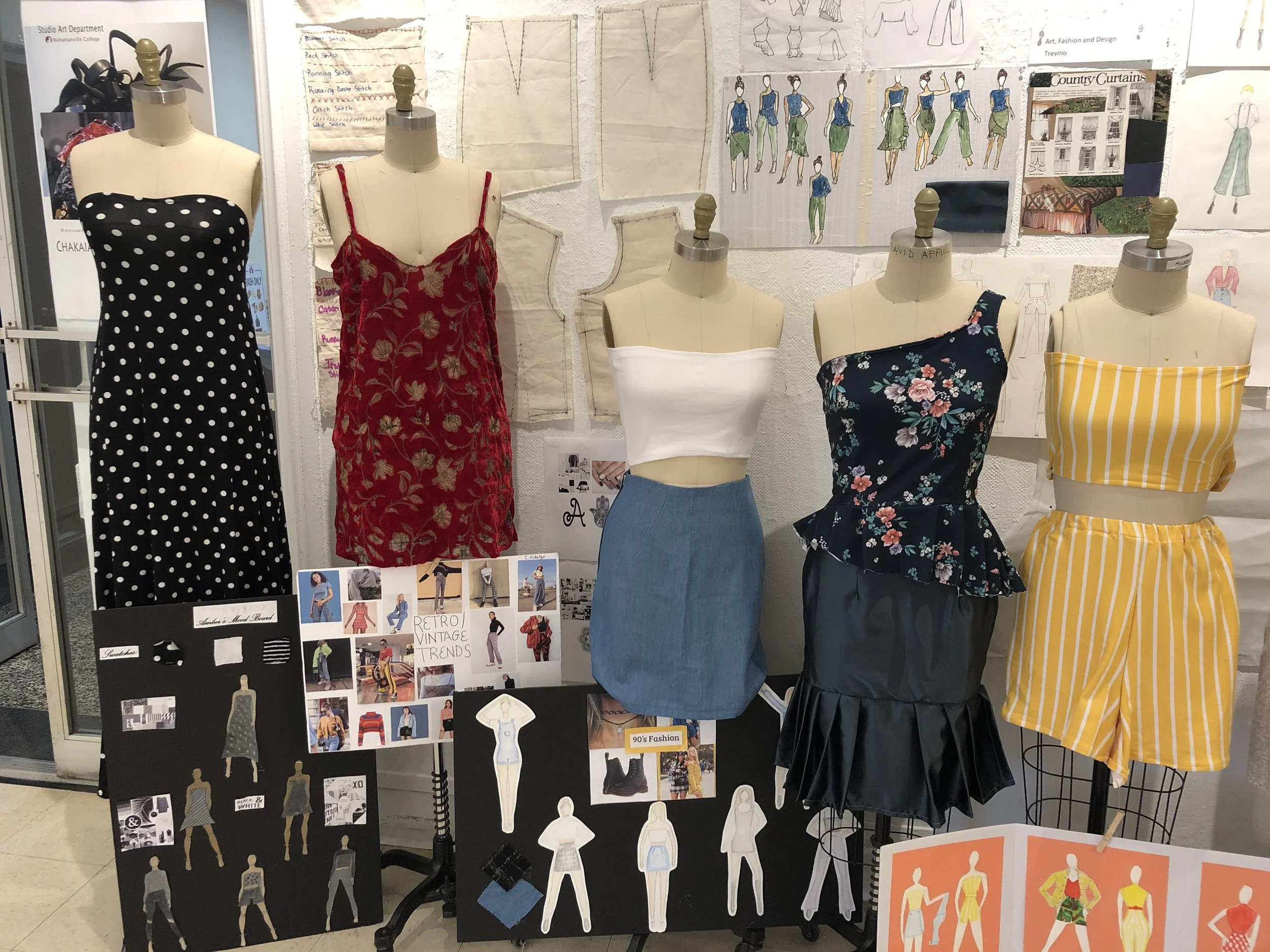
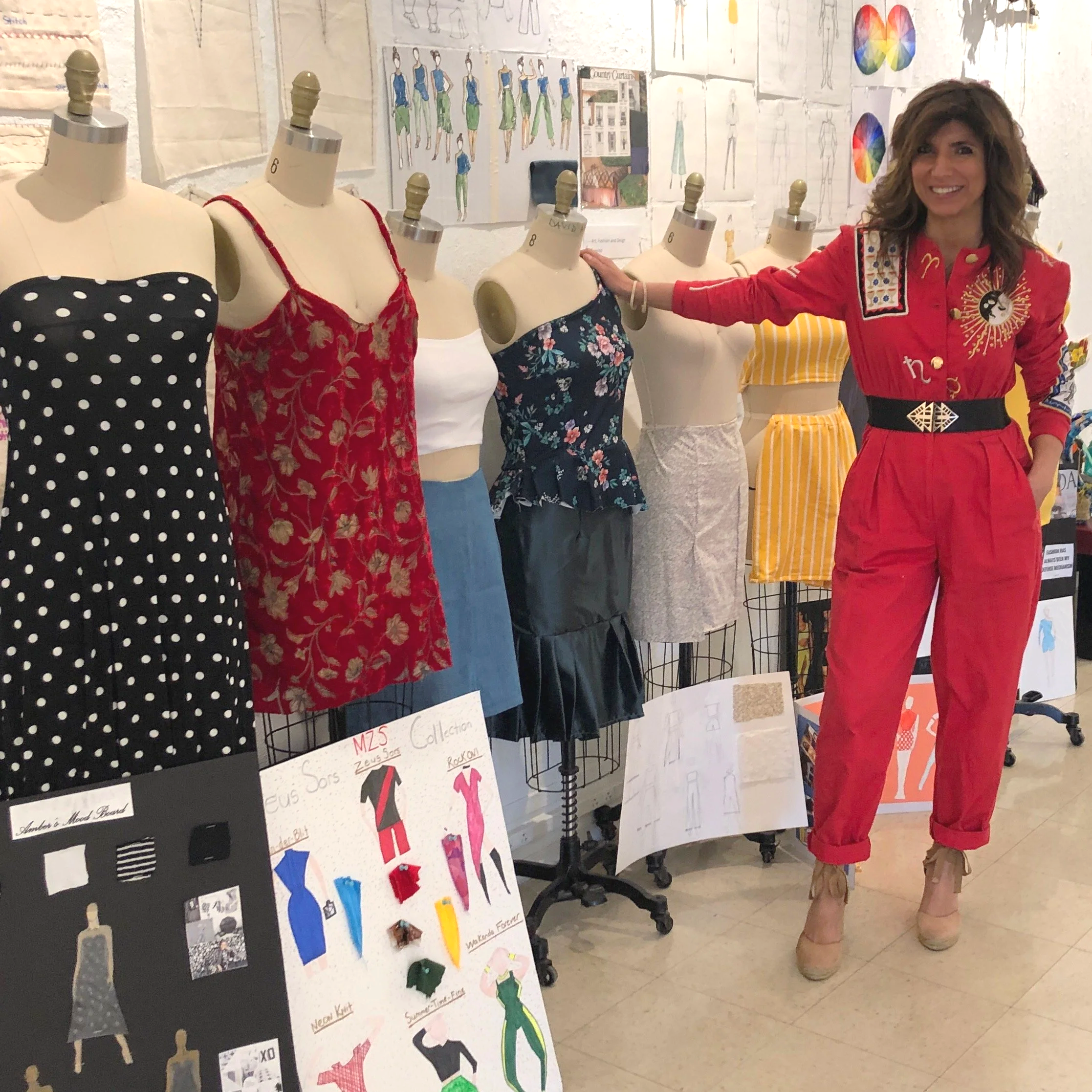
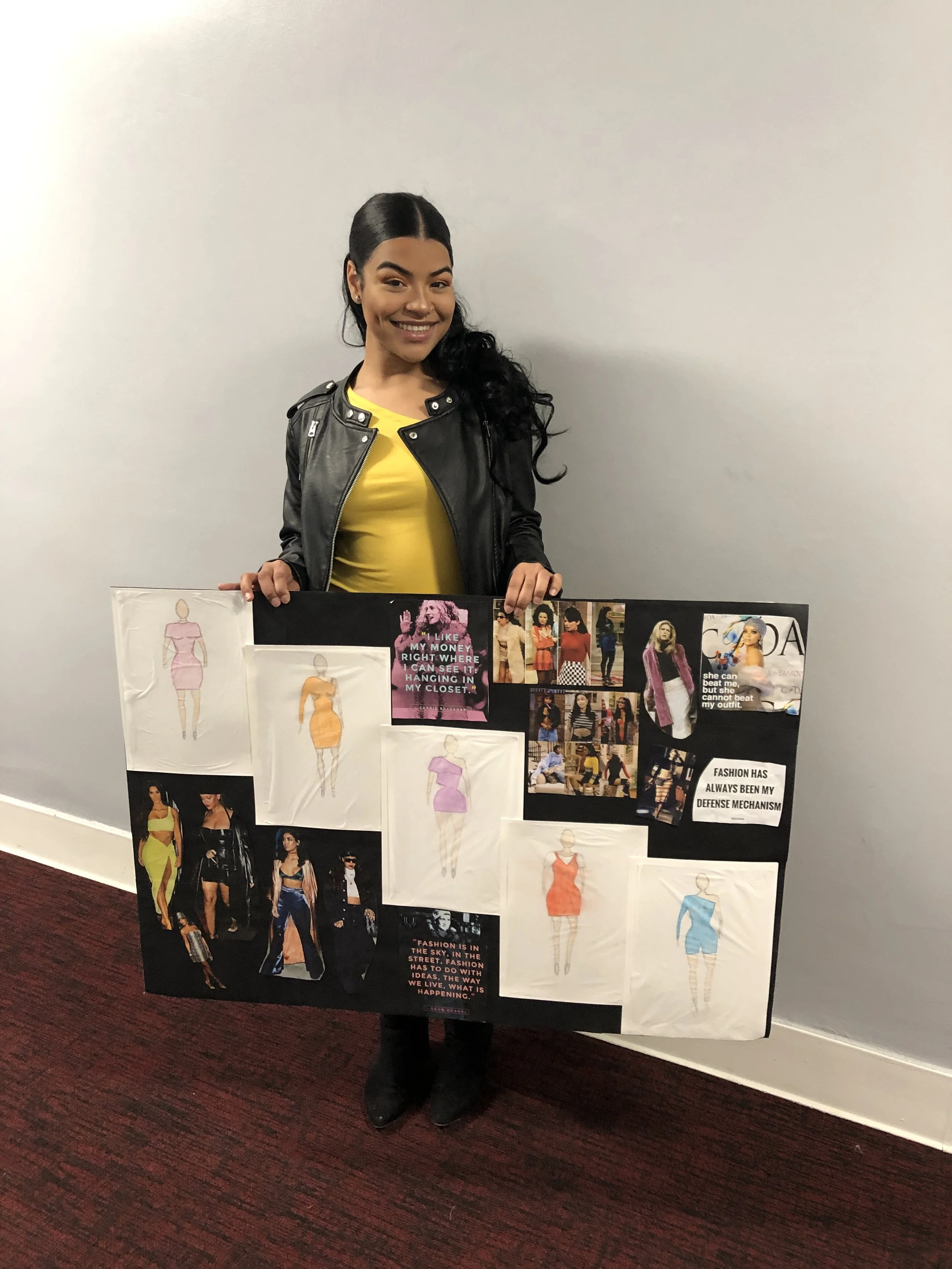
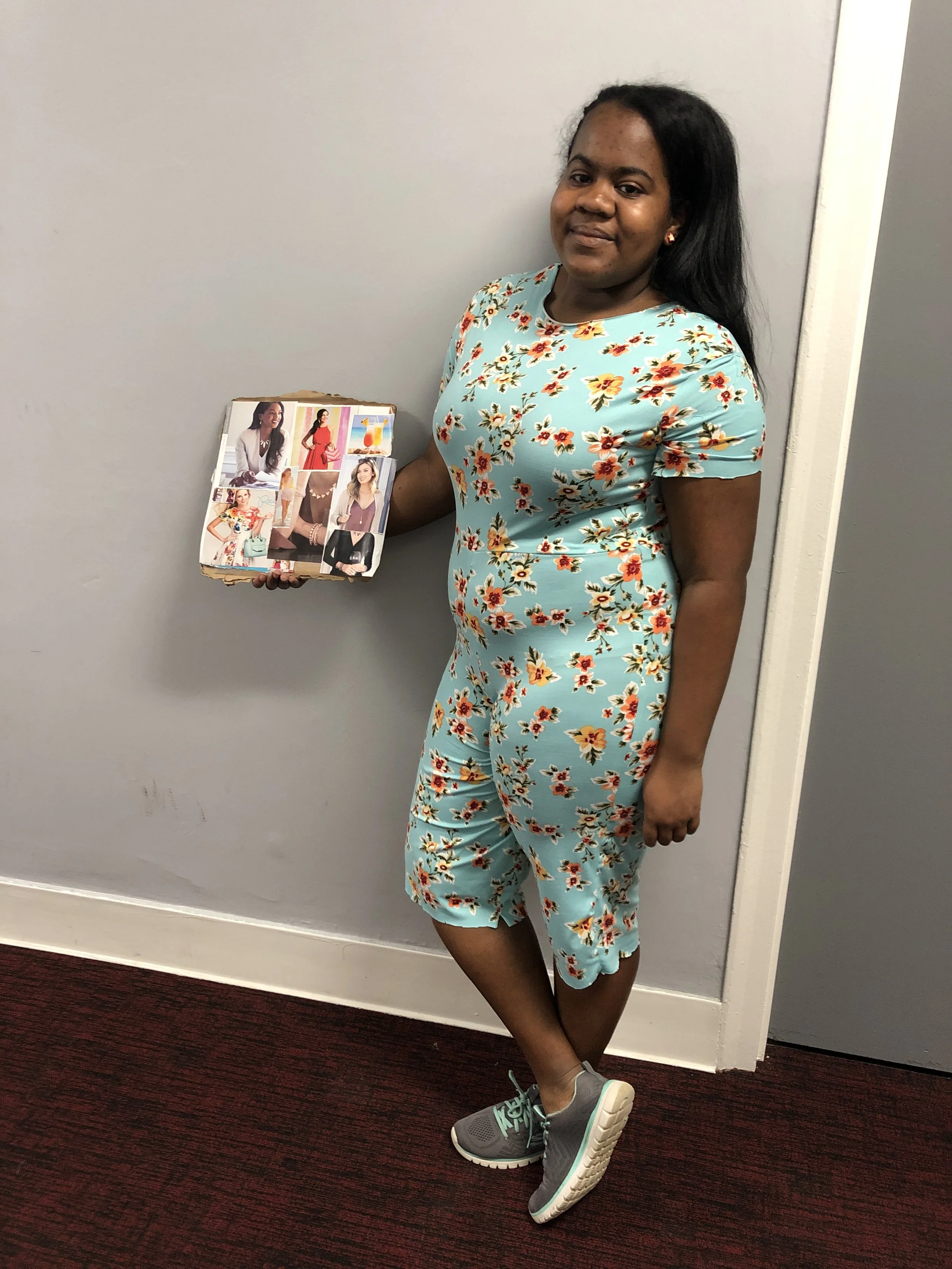
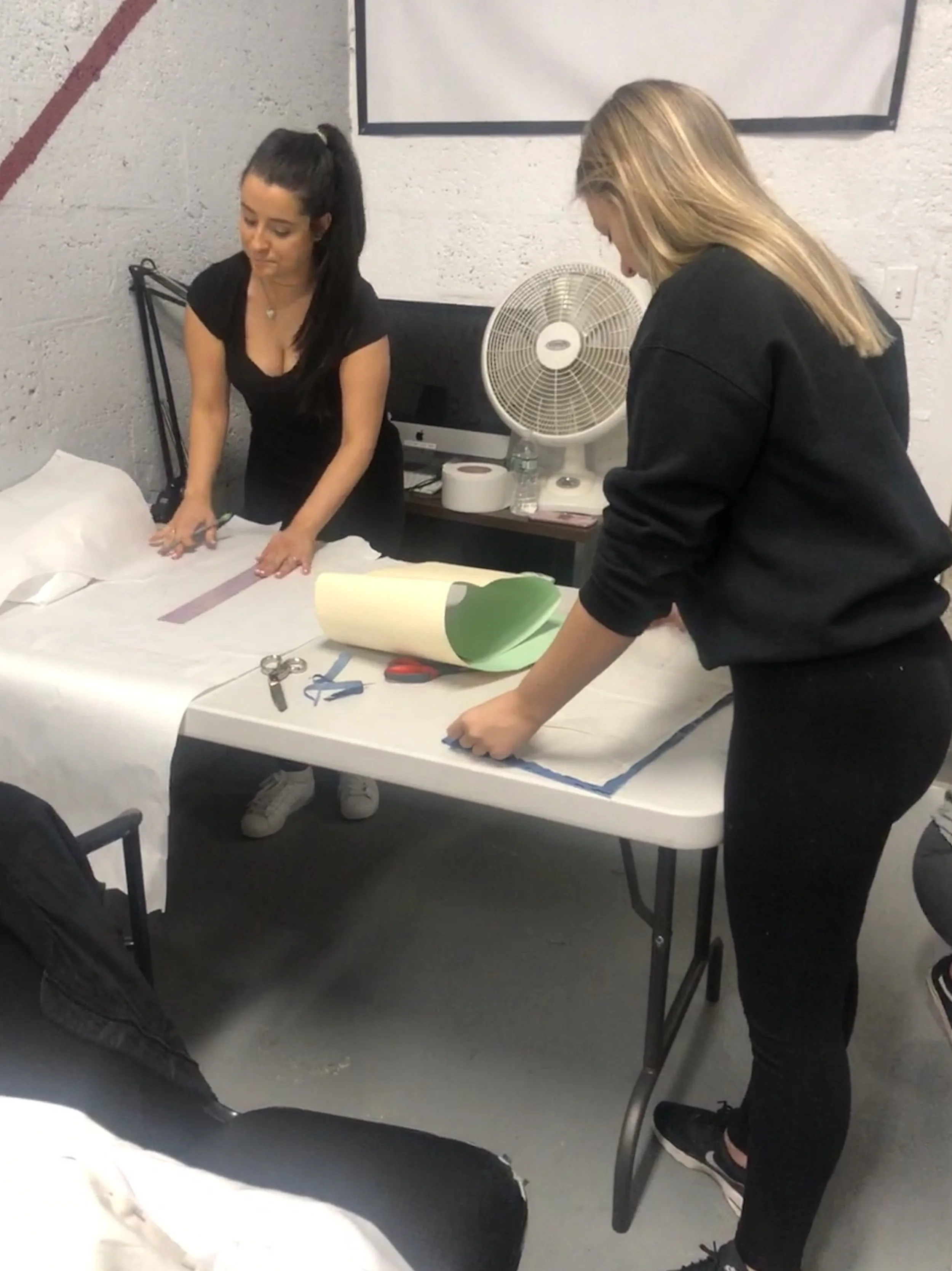
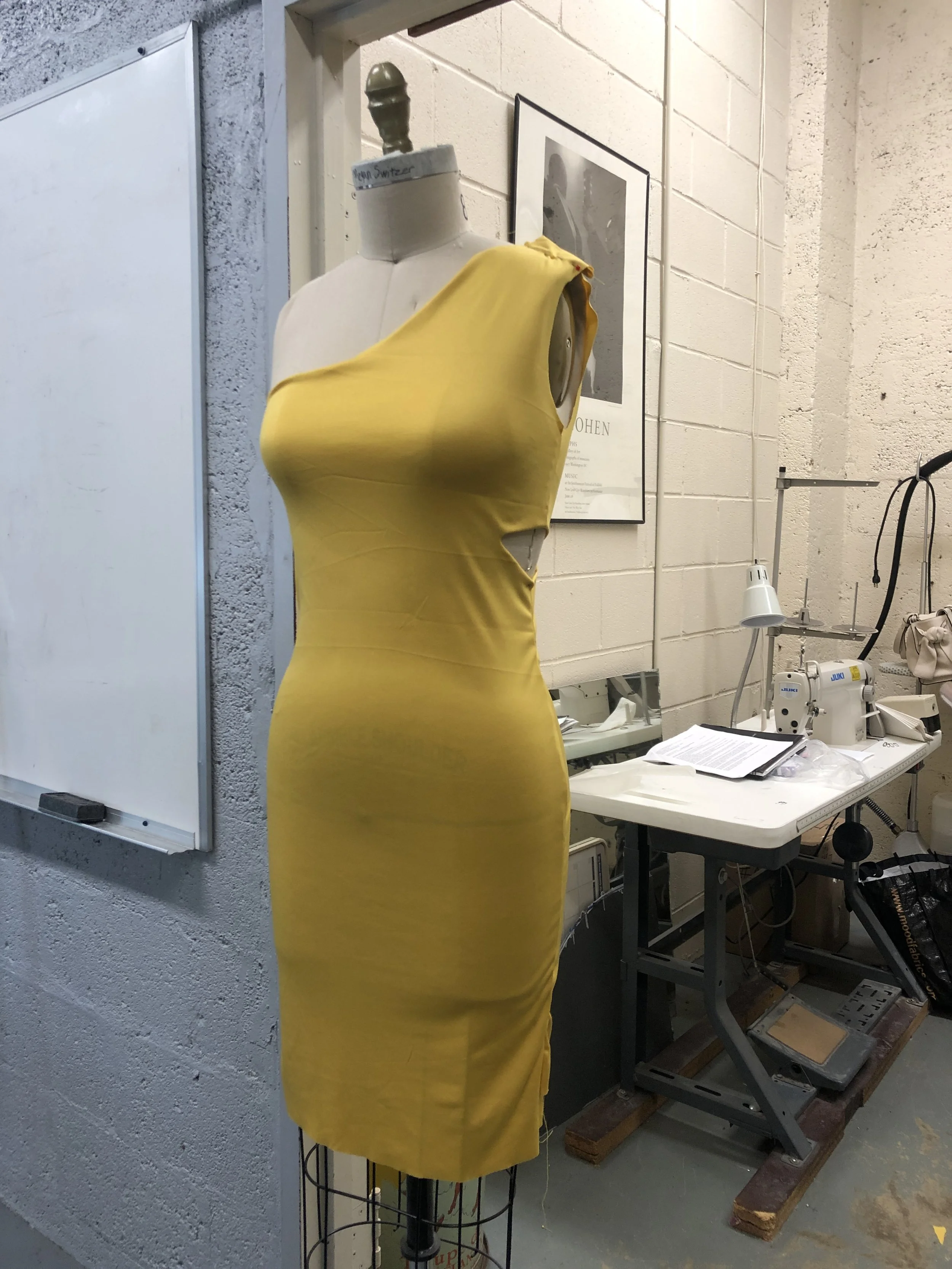
Their final project was a true industry "Trial by Fire": designing two original pieces from concept and sketch to sourcing the fabrics, drafting the patterns, and sewing the final garments for a runway reveal.
Guiding the Emotional Journey of Creation
What I didn't expect when I started this journey was the emotional weight the students would carry into the room. Often, they walked through the door feeling completely burned out, overwhelmed by the heavy demands of their other academic courses. There were moments when they sat down and felt they simply couldn't do what was required for this class; the gap between their ideas and the finished product felt too wide to bridge.
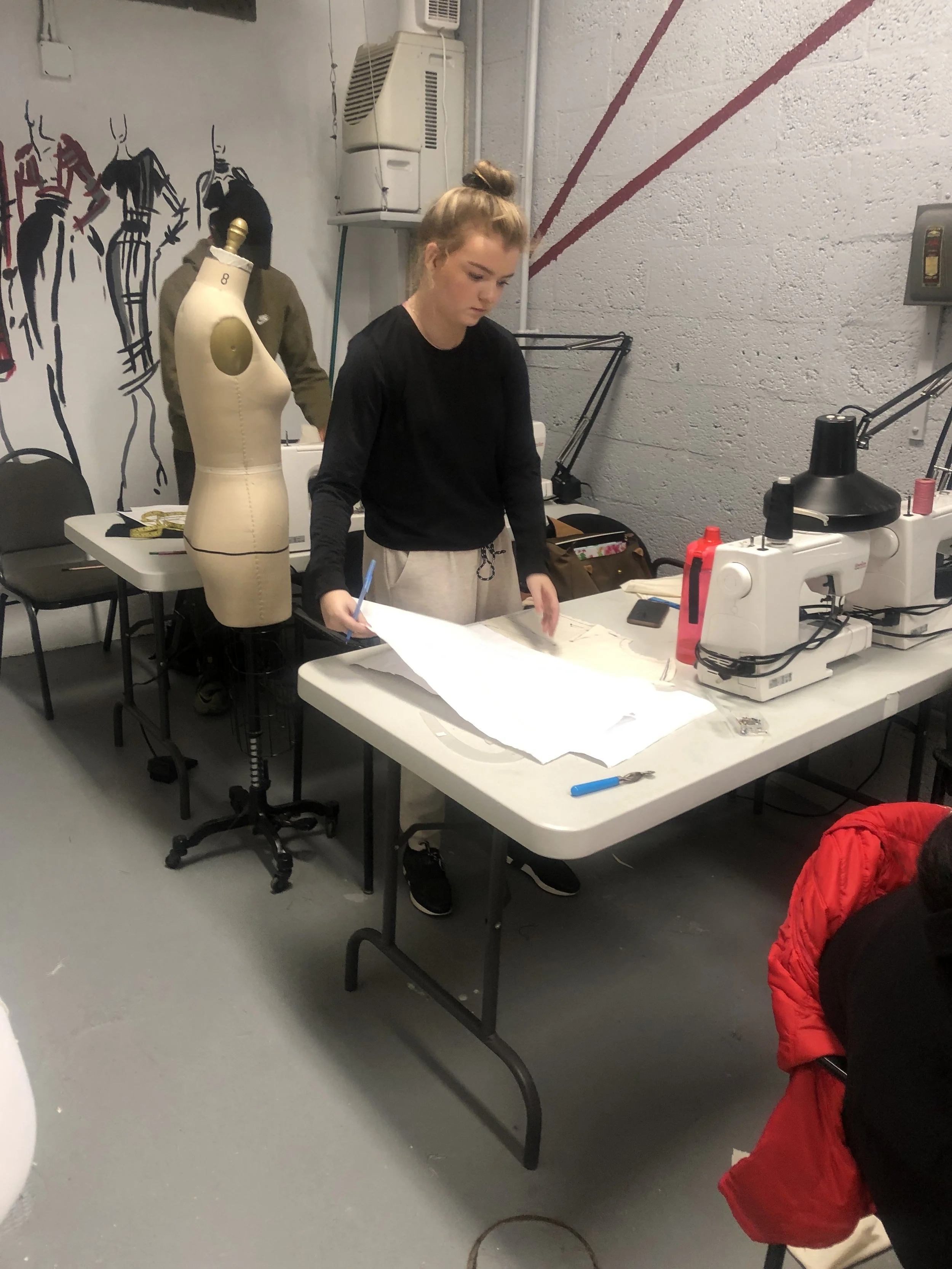
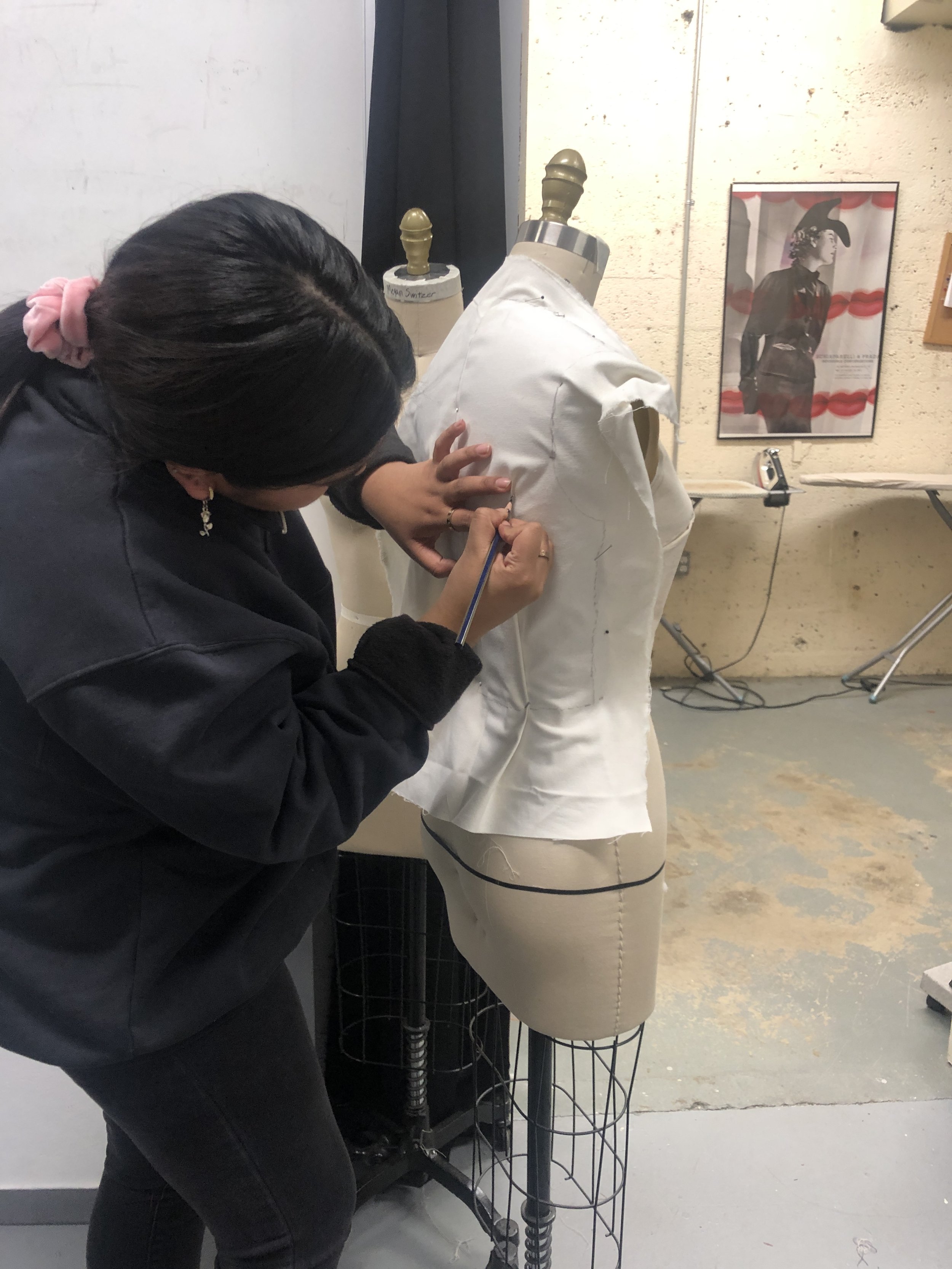
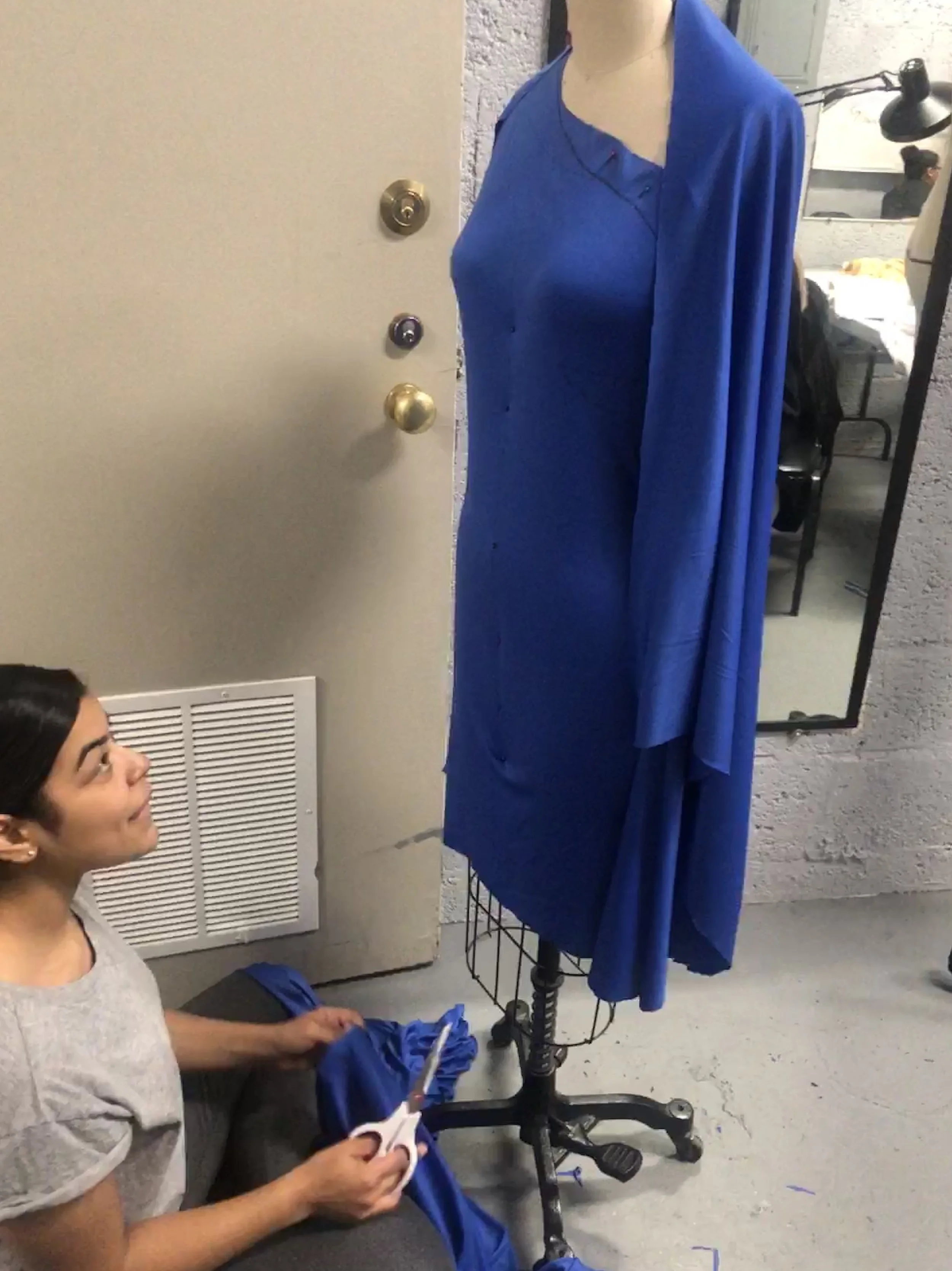
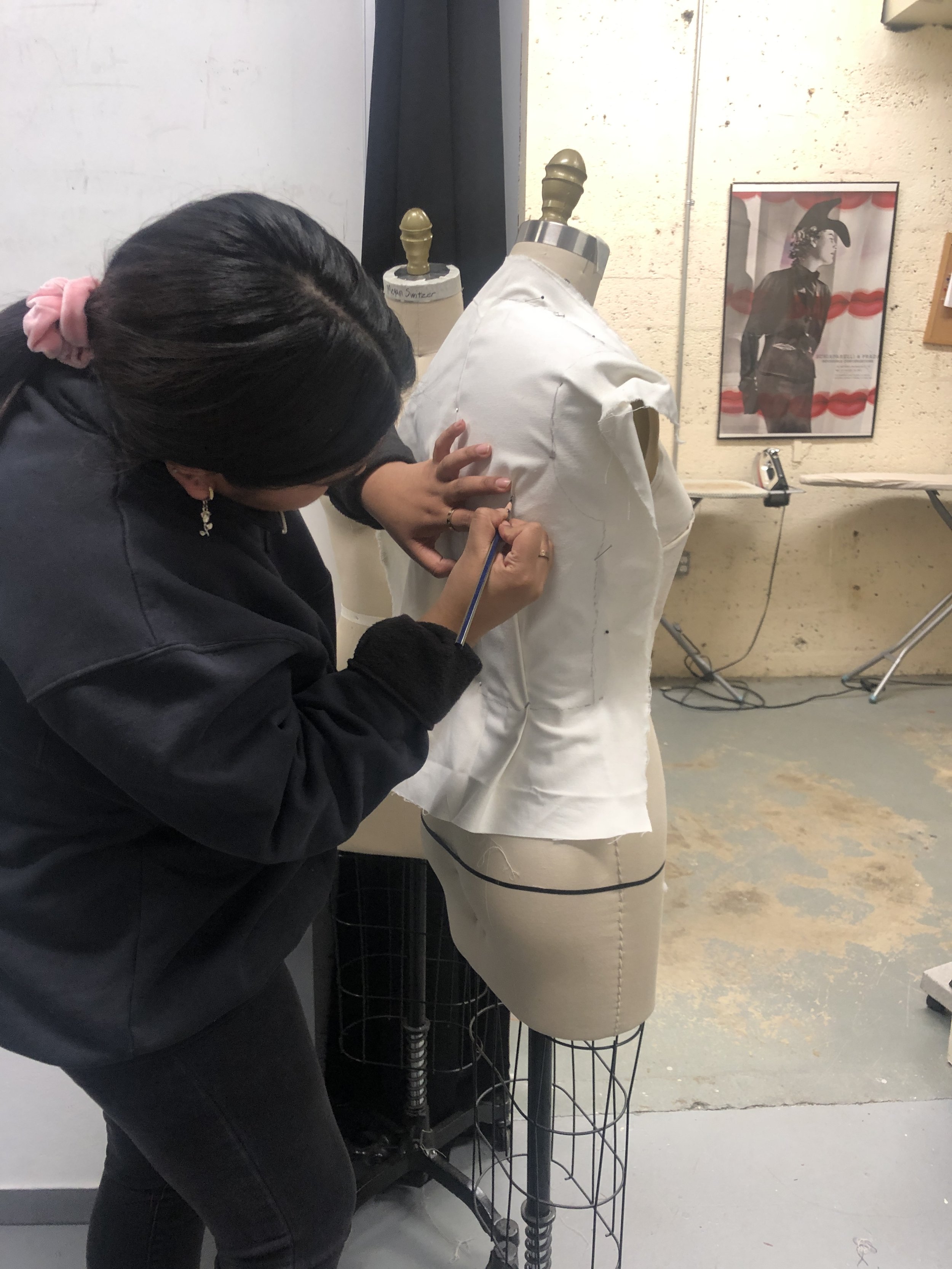
As I guided them through the tactile process—learning to thread a sewing machine for the first time, drafting a pattern from scratch, and pinning fabric to the dress form mannequins—the atmosphere in the room would shift. I watched them move through those emotional layers of doubt and exhaustion.
The most rewarding part was witnessing their realization. They would look at the dress form and couldn't believe that their original 2D sketches were becoming 3D works of art. Seeing that spark of confidence return as they mastered a new physical skill provided a sense of satisfaction that is incredibly hard to achieve these days. They weren't just making clothes; they were reclaiming their own creative agency.
The Grand Finale: A Runway Debut
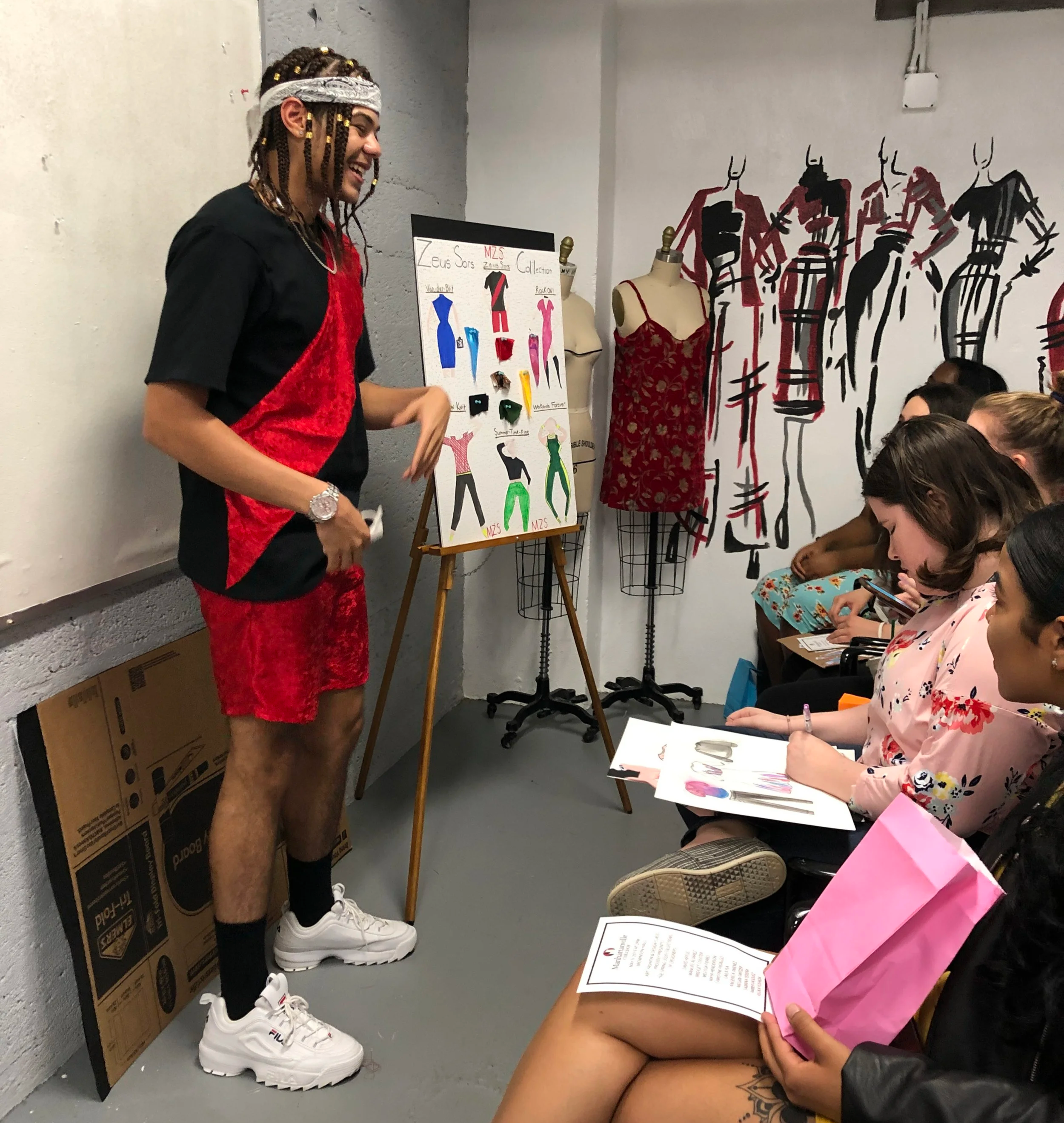
To honor all that hard work, we ended the semester by transforming our space into a professional fashion show experience. I wanted them to feel the adrenaline and pride of a real industry debut. We set up a proper catwalk with "runway-style" seating for guests, complete with printed programs on every chair and even curated "swag bags."
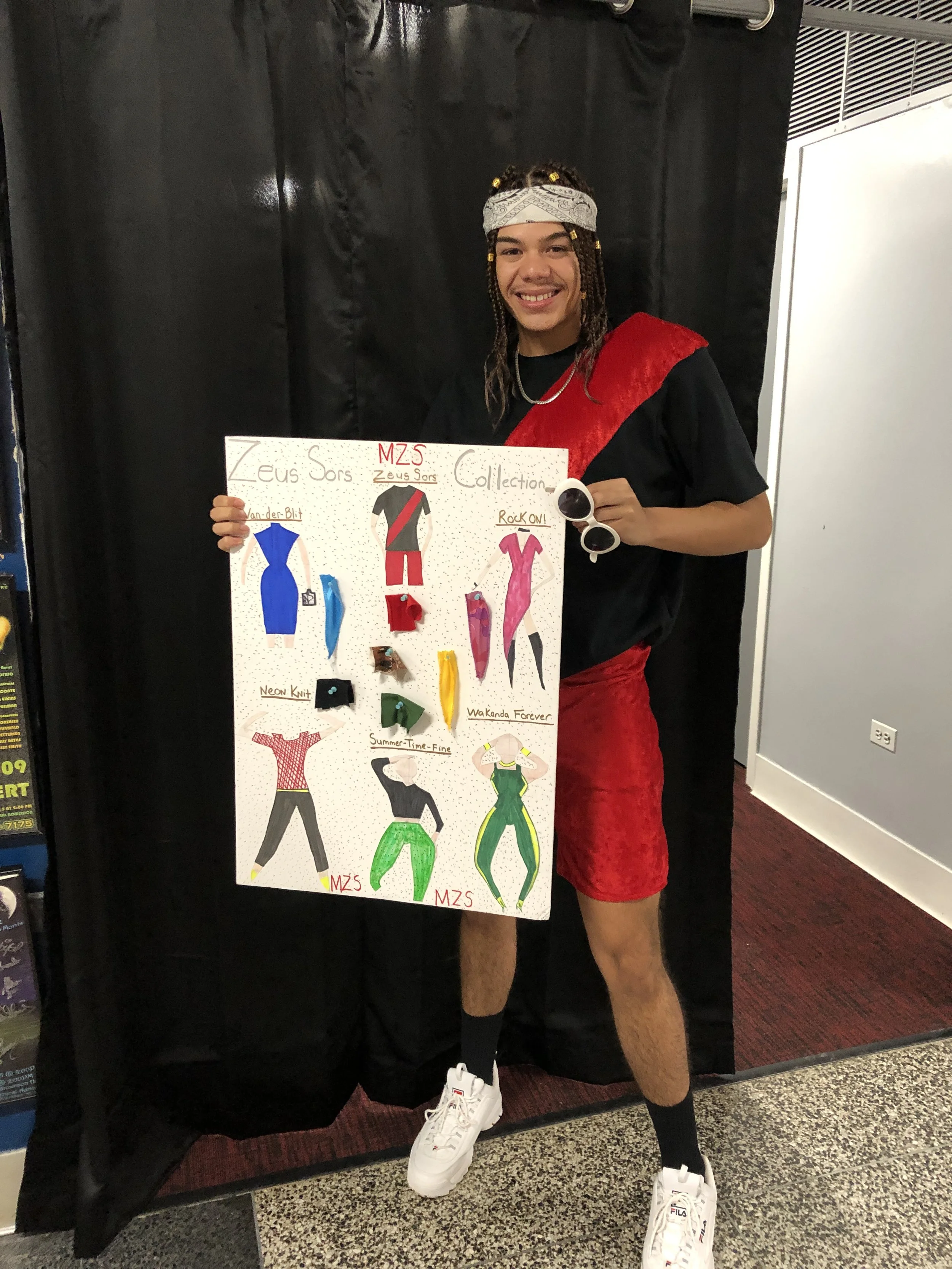
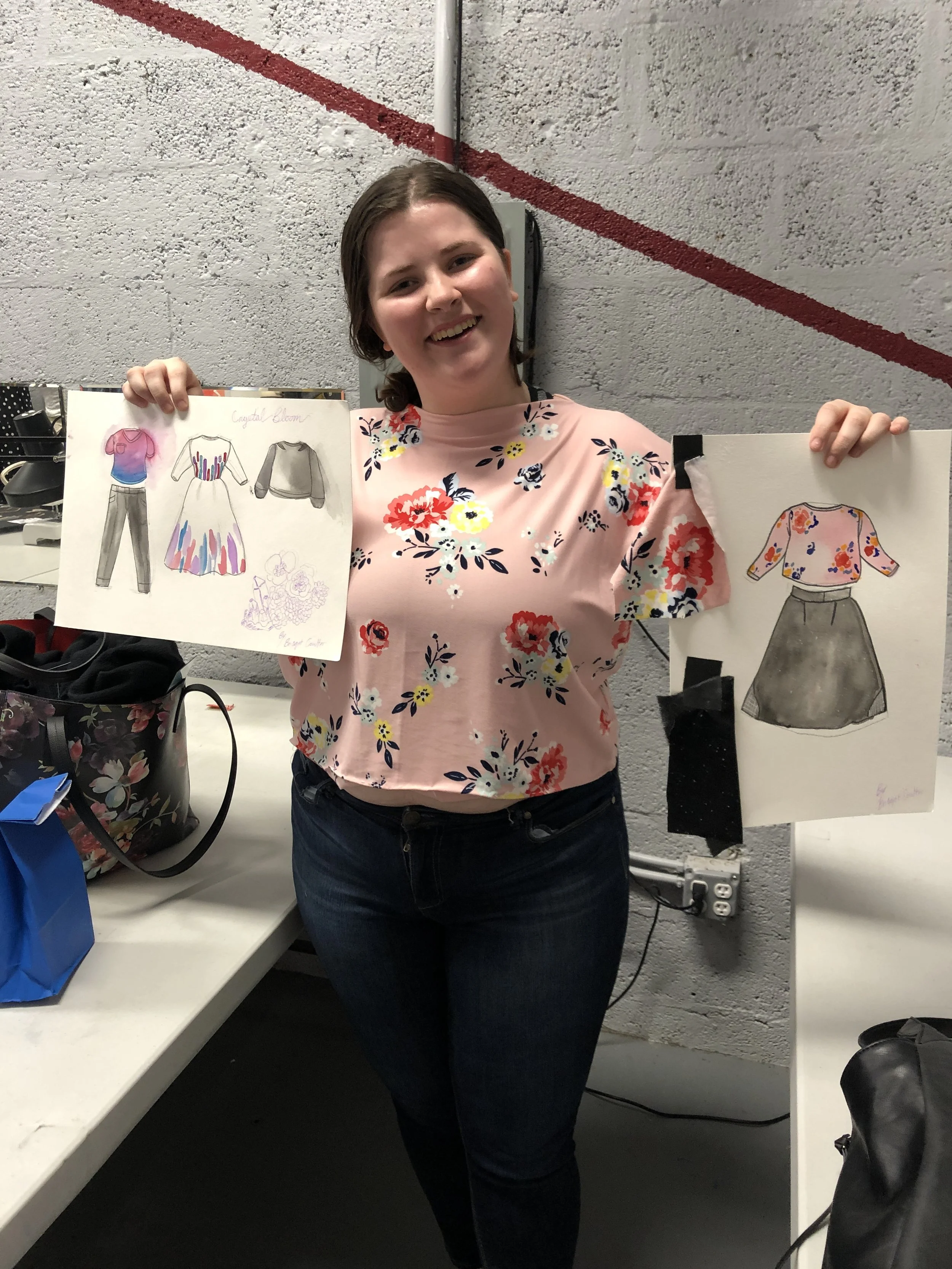
Each student designer had the opportunity to present their vision—stepping out to show their designs either on themselves or a mannequin. They shared the entire journey, from their original mood boards and sketches to the final, physical creations. Seeing them stand tall next to their work was the perfect culmination of the semester.
Why This Matters Now
Looking back at 2019, I see how those days in the classroom laid the groundwork for my current workshops. Teaching taught me how to break down complex ideas—like resilience and cultural identity—into lessons that stick.
Whether I’m speaking to college students about technical design or to children about the "Recipe of Resilience," the heart of the message remains: Your unique story is your greatest design.